Top Emergency Electricians in Fife Lake Township, MI, 49633 | Compare & Call

There are 23 electrician companies server in Fife Lake Township MI
JCH Electric is a veteran-owned and operated electrical services provider based in White Cloud, MI, serving residential and commercial customers throughout Newaygo County. With over 25 years of experi...
Amped Up Electric is your trusted local electrician serving Kingsley, MI, and the surrounding area. We specialize in addressing common home electrical issues in our community, such as flickering light...
D Maddux Electric
D Maddux Electric is a trusted electrical contractor serving Northwest Michigan, including Wellston, Manistee, Traverse City, Ludington, and Cadillac. We specialize in residential and light commercial...
Grandview Electrical is a licensed and insured electrical contractor serving homeowners and businesses across Northern Michigan, including Traverse City and the surrounding counties of Grand Traverse,...
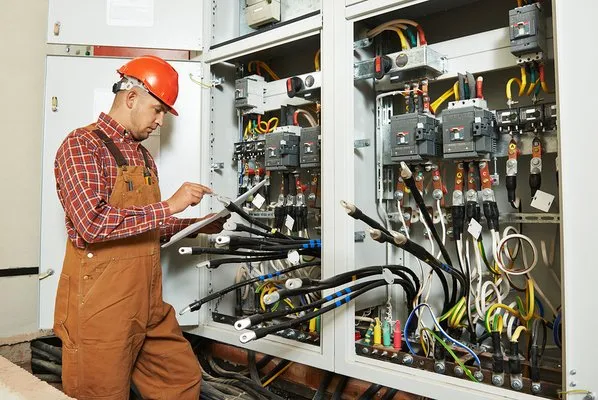
Glen Lake Electric is a trusted electrical contractor serving Honor, MI, and the surrounding Glen Lake area. We specialize in comprehensive electrical services for residential properties, addressing c...
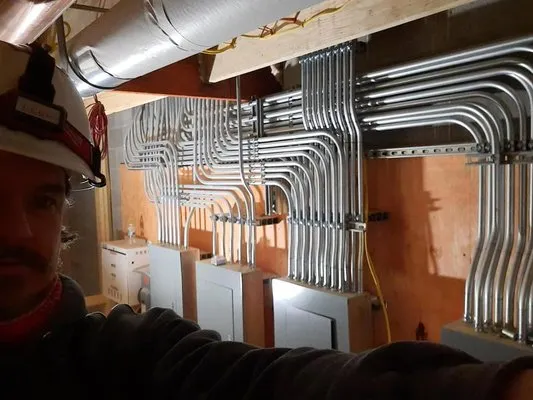
Beeman Electric is your trusted local electrician in Kingsley, MI, dedicated to ensuring the safety and reliability of your home's electrical system. We specialize in addressing common regional issues...

Cherry Capital Electric is your trusted, local electrical contractor serving Traverse City and the surrounding Grand Traverse region. We specialize in resolving the electrical issues common to our Nor...
Mr. Electric of Traverse City is a locally-owned and operated electrical service provider that has been serving homes and businesses in the Traverse City area since 1994. As part of the global Mr. Ele...
Adaptive Electrical in Traverse City, MI has transitioned from electrical services to appliance repair and sales. With over 20 years of experience in electrical work, the owner brings a commitment to ...
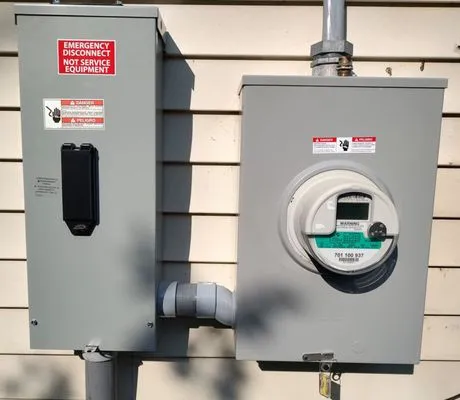
Copperhead Electric is a trusted, locally-owned electrical contractor serving Gaylord and the surrounding communities. We specialize in solving the common electrical challenges homeowners face, such a...
Estimated Electrical Service Costs in Fife Lake Township, MI
Q&A
What permits and codes are involved for a major electrical upgrade like a panel replacement here in Grand Traverse County?
All major work requires a permit from the Grand Traverse County Building Department and must comply with the current NEC 2023 code, which includes updated AFCI and GFCI requirements. As a Master Electrician licensed through Michigan LARA, I handle the entire permit process—application, scheduling inspections, and providing the certified documentation for your records. This ensures the upgrade is legal, insurable, and meets all modern safety standards for your home.
How should I prepare my home's electrical system for northern Michigan's winter ice storms and potential brownouts?
Winter heating surges strain the entire grid. Start by having a licensed electrician verify your service mast, meter base, and panel connections are tight and weather-sealed. For brownout protection, consider a hardwired standby generator with an automatic transfer switch, which keeps essential circuits like heat and refrigeration running safely. Never use a portable generator without a proper transfer device, as back-feeding power into the grid is extremely dangerous for utility workers.
I have an old Federal Pacific panel and want to add a Level 2 EV charger. Is my 100-amp system from 1982 safe for this?
Combining a Federal Pacific panel with a new high-demand appliance is a significant safety concern. Federal Pacific panels have a known failure rate and should be replaced regardless of your plans. A 100-amp service from 1982 is already near its limit with standard loads; adding a 40-50 amp EV charger circuit is not feasible. A full service upgrade to 200 amps is required to safely support a charger, along with a modern panel equipped with AFCI and GFCI protection.
My home in Fife Lake Village was built around 1982. Why do my lights dim when I turn on the microwave and my outlets feel overloaded?
Your electrical system is now 44 years old, and the original NM-B Romex wiring and 100-amp service were designed for far fewer appliances. Modern kitchens, home offices, and entertainment centers draw significantly more power, overloading the circuits. This causes voltage drop, seen as dimming lights, and can overheat the wiring inside your walls. Upgrading the service panel and selectively adding new circuits is often the safest way to restore capacity and meet today's electrical demand.
Our lights flicker and smart devices reset during storms. Is this a problem with the Consumers Energy grid or my house?
Flickering during seasonal ice storms is often a grid issue, as lines sway or tree contact causes brief interruptions. However, your home's internal protection is critical. These micro-surges degrade modern electronics over time. Installing a whole-house surge protector at the main panel is a recommended first defense. It will clamp utility-side surges, while point-of-use protectors safeguard individual devices. This layered approach is standard for homes in areas with moderate surge risk.
We live in the heavy tree canopy near the glacial moraine by Fife Lake. Could that affect our home's electrical system?
Absolutely. The dense tree canopy increases the risk of limb contact with overhead service drops, especially during wet, heavy snow or ice events. This can cause flickering, faults, or complete outages. Furthermore, the rocky, sandy soil of the glacial moraine can challenge grounding electrode systems. Proper grounding is non-negotiable for safety and surge dissipation; we often need to drive longer rods or use multiple electrodes to achieve a low-resistance ground in this terrain.
My overhead service mast looks old and is close to trees. What should I be watching for with this type of setup in Fife Lake Township?
Overhead masts in wooded areas require regular inspection. Look for any sagging in the service drop cable between the pole and your house, and ensure masthead weatherheads are intact and pointed downward to prevent water ingress. Tree limbs should be cleared back at least 10 feet from the lines. Ice accumulation can add tremendous weight, so a mast that appears slightly bent or loose needs immediate professional evaluation to prevent a catastrophic pull-away from your house.
We lost all power and smell something burning near the panel. Who can get here fast in Fife Lake?
For an emergency like that, we dispatch immediately from our service area near Fife Lake Public Beach. Using US-131, we can typically be on-site in 5-8 minutes. First, safely turn off the main breaker if you can. A burning odor often indicates a failed connection at the bus bars or a melting breaker, which is a serious fire risk. Our priority is to secure the system, identify the fault, and restore safe power as quickly as possible.
