Top Emergency Electricians in Warren, ME, 04864 | Compare & Call


Kurrz Electric
FAQs
We have overhead power lines coming to our house. What should I know about maintaining this type of service?
Overhead or mast service is standard here. Homeowners are responsible for the mast, weatherhead, and conduit on their house, while Central Maine Power owns the lines to that point. Ensure tree limbs are trimmed well back from the service drop to prevent damage. Visually inspect the mast for rust or damage, and have the connections at your meter base and main panel checked periodically for corrosion, especially given our coastal climate.
We have a lot of trees around our property near the Town Office. Could that be affecting our power quality?
The heavy tree canopy common in Warren can absolutely impact electrical health. Branches contacting overhead service lines cause interference, flickering, and can lead to outages. Furthermore, rocky, root-filled soil typical of wooded lots can challenge the installation of a proper grounding electrode system, which is vital for safety and surge dissipation. An electrician can evaluate both your service mast clearance and your grounding integrity.
I have a Federal Pacific panel and want to add an electric car charger. Is my 1983-era system safe for this upgrade?
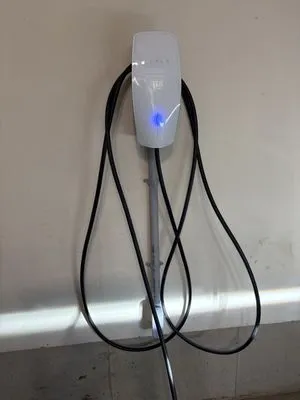
A Federal Pacific panel is a known safety hazard due to faulty breakers that can fail to trip during an overload, creating a serious fire risk. It must be replaced before any major upgrade. Furthermore, a 100-amp service from 1983 cannot safely support a Level 2 EV charger or a modern heat pump system. A full service upgrade to 200 amps is the necessary first step to ensure safety and provide the required capacity for these new loads.
Do I need a permit from the town to replace my electrical panel in Warren?
Yes, a permit from the Warren Code Enforcement Office is legally required for a panel replacement or service upgrade. All work must comply with the 2023 National Electrical Code (NEC), which is the state-adopted standard enforced by the Maine Electricians Examining Board. As a licensed master electrician, I handle the permit application, scheduling inspections, and ensuring the installation meets all code requirements, so you don't have to navigate the red tape.
Our Warren Village home was built in 1983. Why do the lights dim when the microwave and space heater run at the same time?
Your home's electrical system is now 43 years old. Original NM-B Romex wiring from that era was designed for a different standard of living and lacks the capacity for today's simultaneous high-wattage appliance loads. A 100-amp panel, once considered ample, is now often overloaded by modern kitchens, electronics, and heating demands. Upgrading your service and adding dedicated circuits is the safe, code-compliant solution to eliminate this strain.
The power is out and I smell something burning near my Warren panel. How fast can an electrician get here?
For an emergency like a burning smell, which indicates an active fire risk, we dispatch immediately. From the Warren Town Office, we're typically on the road in under 5 minutes, using US Route 1 for direct access to Warren Village. Our priority is to secure your home, assess the hazard at the panel, and prevent any escalation. Please shut off the main breaker if it's safe to do so and call us right away.
My lights in Warren flicker during wind storms. Is this a problem with my house wiring or Central Maine Power?
Flickering during storms is often a grid issue, where wind causes momentary faults on Central Maine Power's overhead lines. However, consistent flickering when using appliances points to internal wiring problems. Given our region's moderate surge risk from seasonal ice storms, these grid disturbances can send damaging spikes into your home. Installing a whole-house surge protector at your main panel is a critical defense for your sensitive electronics and appliances.
How can I prepare my Warren home's electrical system for a severe ice storm or winter brownout?
Winter peaks strain the grid and your home's system. Start with a professional inspection of your panel, connections, and heating equipment to ensure they can handle sustained loads. For backup power, a permanently installed generator with an automatic transfer switch is the safest and most reliable option, keeping essential circuits live. Surge protection is also key, as power restoration after an outage often comes with damaging voltage spikes.
