Top Emergency Electricians in Springfield, MA, 01013 | Compare & Call

Jon Dyer Electrician
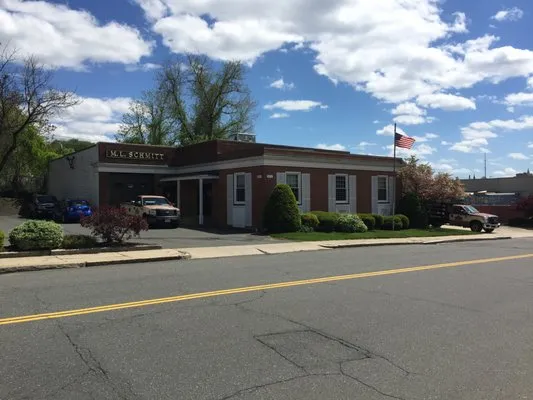
M L Schmitt
Common Questions
What permits and codes are involved for a major electrical upgrade in Springfield, MA?
All major work requires a permit from the Springfield Building Department and must comply with the NEC 2023, which Massachusetts has adopted. This includes AFCI protection for living areas and specific grounding requirements. As a Master Electrician licensed by the Massachusetts Board, I handle the permit paperwork, scheduling inspections, and ensure the installation meets all current safety standards, so you don't have to navigate the red tape.
We have a lot of trees around our Forest Park home. Could that be causing our electrical issues?
A heavy tree canopy can absolutely impact electrical health. Branches contacting overhead service lines cause interference and can lead to flickering lights or momentary outages. Roots can also disrupt underground grounding electrode conductors, compromising your home's safety system. An inspection can check for tree-related line damage and verify your ground rod's connection in the local soil conditions.
How should I prepare my home's electrical system for a Springfield winter with ice storms and potential brownouts?
Winter heating surges strain older panels. Ensure your heating system is on a dedicated, properly sized circuit. For extended outages, a permanently installed generator with a transfer switch is the safest backup. For shorter disruptions, consider a heavy-duty portable unit, but never run it indoors. Proactive maintenance on your service mast and connections before the season starts is also wise.
My power comes in on an overhead mast. What are the common issues with this setup in Springfield neighborhoods?
Overhead service masts are common here. The primary risks are physical damage from falling branches or ice accumulation, which can pull the mast away from your house. We also check for proper weatherhead sealing and mast conductor size, as older installations may be undersized for a modern service upgrade. Ensuring this entrance equipment is robust is critical for reliable power delivery.
Our Springfield home was built in 1952 and has original cloth wiring. Why do the lights dim when we use the microwave and space heater together in 2026?
A 74-year-old electrical system with cloth-jacketed copper was engineered for a different era. It lacks the capacity for today's high-draw appliances like microwaves and space heaters, which can overload a 60-amp service. This causes voltage drop, seen as dimming lights. Upgrading to a modern 200-amp service with new wiring resolves this by providing the stable power modern homes require.
I have an old Federal Pacific Electric panel and want to install a heat pump and EV charger. Is my 60-amp service from 1952 enough?
No, it is not. A Federal Pacific Electric panel is a known safety hazard due to breakers that can fail to trip. Adding a heat pump and Level 2 EV charger requires a dedicated 240-volt circuit and significant amperage, which a 60-amp service cannot provide. A full service upgrade to 200 amps with a new, code-compliant panel is the necessary first step for both safety and functionality.
The power went out in my Forest Park home and I smell something burning. How fast can an electrician get here?
For a burning smell, we treat it as a priority dispatch. From a starting point near the Forest Park Zoo, we can typically reach homes in the neighborhood via I-91 within 15 minutes. Your first action should be to turn off the main breaker at the panel if it's safe to access. This prevents potential fire damage until we can diagnose the issue, often a failing breaker or overheated connection.
My smart TV and router keep resetting during storms. Is this an Eversource grid problem in Springfield?
Seasonal ice storms on the Eversource grid can cause momentary surges and brownouts that disrupt sensitive electronics. While some fluctuation is normal, modern devices are particularly vulnerable. Installing a whole-house surge protector at your main panel is the most effective defense. It absorbs those grid-level spikes before they reach your expensive smart home equipment.
