Top Emergency Electricians in Peabody, MA, 01940 | Compare & Call
There are 193 electrician companies server in Peabody MA

Sampson Electrical Services is a trusted, locally-owned electrician serving Wakefield, MA, and the surrounding communities. We specialize in resolving the common electrical issues faced by area homeow...
Steven M. Parker is a Master Electrician with deep roots in the Haverhill community. A 2004 graduate of Whittier Regional Technical High School, he spent seven years honing his skills with Wayne J. Gr...
BH Electric provides comprehensive electrical and solar services to the West Newbury community. We are a licensed electrical contractor specializing in everything from circuit breaker and panel repair...
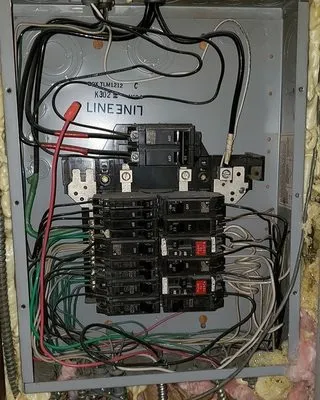
Hamilton Emergency Electrician
Hamilton Emergency Electrician provides reliable, 24/7 electrical services for homes and businesses in South Hamilton, MA. We specialize in diagnosing and fixing common local electrical problems, such...
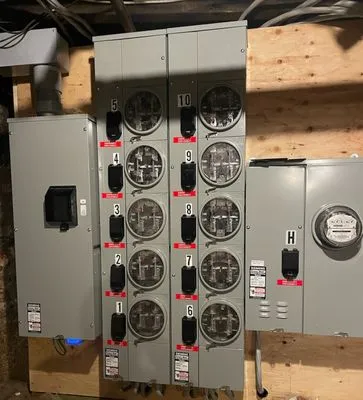
Wetmore Electric Inc
Wetmore Electric Inc is a licensed electrical contractor serving Salem and the surrounding North Shore area. Established in 2017, we provide dependable residential and commercial electrical services, ...
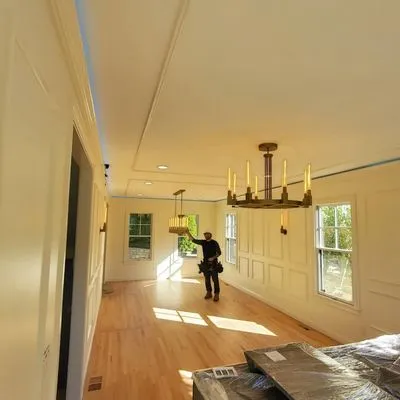
M A Electrical Services is a trusted, locally-owned electrical contractor serving Melrose and surrounding communities. We specialize in comprehensive electrical solutions, from routine repairs to comp...
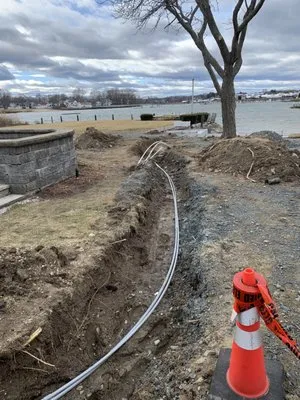
Electrical Services in Saugus, MA provides comprehensive electrical solutions for homes and businesses. Our licensed electricians specialize in doorbell installation, electrical inspections, installat...

Pagliaro Electric was founded in Revere, MA, by Lenny Pagliaro with a simple, powerful goal: to satisfy every customer with a complete and outstanding job. With over 20 years of hands-on experience in...
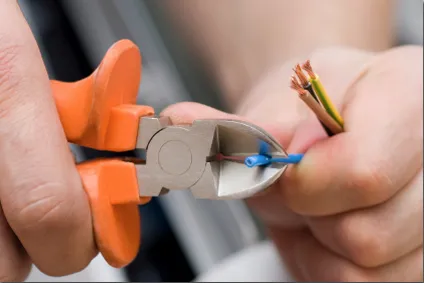
Brian Carlson is a licensed electrician serving North Reading and the Boston area since 2007. With over 20 years of experience in both commercial and residential work, he builds his business on a foun...
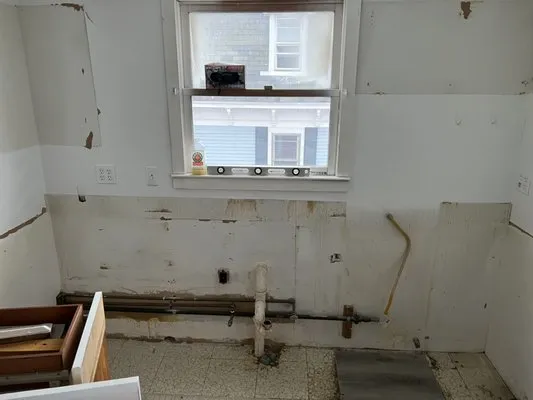
Average Joe's Repair was born from a simple, local passion. While managing maintenance for a 64-unit community in Haverhill, the owner fell in love with helping residents turn their houses into homes....
Estimated Electrical Service Costs in Peabody, MA
Frequently Asked Questions
My smart home devices keep resetting during storms. Is this a National Grid problem or something in my house?
While National Grid deals with grid-level issues, moderate surge risk from our seasonal ice storms means protection starts at your service entrance. Flickering or resets often point to insufficient whole-house surge protection. Transients on the utility lines can bypass basic power strips, damaging sensitive electronics. Installing a Type 1 or Type 2 surge protective device at your main panel is the most effective defense.
How do I prepare my Peabody home's electrical system for a winter ice storm and potential brownout?
Winter peaks strain the grid and your home's heating systems. For ice storms, ensure your masthead and service drop are clear of overhanging tree limbs. For brownouts, consider a hardwired automatic transfer switch and a standby generator to maintain essential circuits like heat and refrigeration. These systems require a permit and professional installation to integrate safely with your main panel.
Do I need a permit from the Peabody Building Department just to replace an outlet?
In Massachusetts, a permit is required for any new branch circuit, panel upgrade, or service change. Simple like-for-like receptacle replacement typically doesn't require one, but any alteration to the circuit does. All work must be performed by a licensed electrician or under their direct supervision, as per the Massachusetts Board of State Examiners of Electricians, and must comply with the 2023 NEC adopted by the state.
We're on rolling glacial terrain in West Peabody. Could that be why our grounding seems off?
Absolutely. The rocky, irregular soil common in our glacial terrain can create high soil resistance, making it difficult to achieve a low-resistance ground for your grounding electrode system. This can affect surge protection and equipment safety. We often need to drive multiple ground rods or use a concrete-encased electrode (Ufer ground) to meet the NEC's 25-ohm requirement, especially on older properties.
I have a Federal Pacific panel and want to add an EV charger. Is my 1965 home's electrical system safe enough?
A Federal Pacific panel is a significant safety concern due to its known failure to trip during overloads, and adding a Level 2 EV charger is not advisable. First, the panel must be replaced with a modern, UL-listed unit. Second, a 100-amp service from 1965 is typically insufficient for both a high-demand EV charger and a modern heat pump. A full service upgrade to 200 amps is the standard, safe path forward.
My overhead service line came down in a storm. What's involved in getting it reconnected?
For an overhead mast service, the utility owns the line from the pole to your weatherhead, while you own the mast and conduit. If the mast is damaged, a licensed electrician must repair it to code before National Grid will reconnect. We handle the mast repair, obtain the required permit from the Peabody Building Department, and coordinate the utility reconnection once our work passes inspection.
My West Peabody home was built in 1965. Why do the lights dim every time the microwave runs?
Your electrical system is now over 60 years old. The original cloth-jacketed copper wiring was sized for a 1965 lifestyle, not the demands of modern 2026 kitchens with multiple high-wattage appliances. Dimming lights are a clear sign of voltage drop, indicating your 100-amp panel's circuits are overloaded. Upgrading the service and modernizing the branch circuits are the primary solutions to safely handle today's electrical loads.
My outlet smells like burning plastic and I've lost power. How fast can an electrician get here?
For an active electrical fire hazard, we dispatch immediately from our base near Peabody City Hall. Using I-95, our typical response time to West Peabody is 12 to 15 minutes. Our priority is to secure the circuit, identify the source of the overheating—often a failing connection or faulty device—and make the area safe before any restoration work begins.
