Top Emergency Electricians in Milford, MA, 01757 | Compare & Call

George K Phillips Electrician

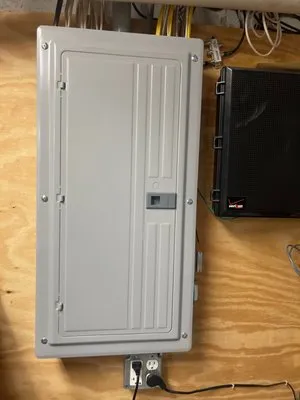
SAF Electrical Service
Braza & Mancini

Tingley Home Services
FAQs
How should I prepare my home's electrical system for a Massachusetts ice storm or a summer brownout?
Preparation focuses on backup power and surge protection. For extended outages common with ice storms, a properly installed generator with a transfer switch is the most reliable solution. To protect against the voltage sags of summer brownouts, ensure major appliances are on dedicated circuits. We also advise installing that whole-house surge protector, as both ice and summer storms can send damaging surges through the grid when power is restored.
We have overhead lines coming to our house. What are the common maintenance issues I should watch for?
Overhead service, or a mast, is standard here but requires vigilance. The main concerns are where the utility drop connects to your house. Look for cracked or sagging conduit on the mast, and ensure the service entrance cables are secure and undamaged. Heavy tree canopy in wooded lots like yours can cause limbs to abrade the lines or drop branches on them. We recommend a visual check of these components from the ground after major storms.
Our Milford home was built in 1967 and the lights dim when the AC kicks on. Is the original wiring safe?
Homes in Highland Park from 1967 typically have 59-year-old cloth-jacketed copper wiring, which is a concern. While the copper itself is a good conductor, the insulation becomes brittle with age and can crumble, raising a fire risk. A 100-amp panel from that era also lacks the spare capacity for today's appliance loads, causing the voltage drop you're experiencing. Modernizing the system starts with a full safety inspection to assess the wiring condition.
Does the rocky, hilly soil around Milford Town Hall affect my home's electrical grounding?
Yes, terrain directly impacts grounding effectiveness. Rocky hillside soil has high resistance, which can impair the path for fault current. The National Electrical Code requires grounding electrodes to make sufficient contact with the earth; in rocky areas, this often means driving longer rods or using multiple rods to achieve a proper ground. A poor ground can lead to erratic breaker operation and increase surge damage risk, so it's a key item we test during an inspection.
Our lights in Milford flicker during storms. Is this damaging our computers and smart home gear?
Flickering lights often point to loose utility connections or tree contact on Eversource's overhead lines, a common issue in our wooded areas. Seasonal ice storms can exacerbate these problems, causing micro-surges and brownouts. These voltage irregularities absolutely can damage sensitive electronics over time. Installing a whole-house surge protector at your main panel is a recommended defense to clamp these transient spikes before they reach your equipment.
Do I need a permit from the Milford Building Department to replace my electrical panel?
Absolutely. Any service upgrade or panel replacement requires a permit and subsequent inspection by the Milford Building Department. This ensures the work complies with the current NEC 2023, which includes crucial safety updates like AFCI protection. As a Master Electrician licensed by the Massachusetts Board, handling this red tape is part of our service. Unpermitted work can void your insurance and create serious safety and legal liabilities when you sell your home.
The power just went out and I smell something burning near my electrical panel. Who can get here fast?
For an electrical emergency like that, call for service immediately. A burning odor often indicates an active fault that must be de-energized. From our base near Milford Town Hall, we can typically be en route via I-495 for an 8 to 12 minute response to Highland Park. The priority is to safely secure the panel and identify the source, which is often a failing breaker or overheated connection.
We have an old Federal Pacific panel and want to add an EV charger. Is our 100-amp service enough?
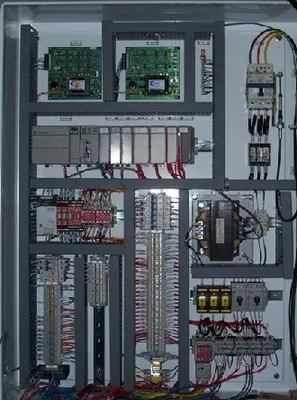
This is a two-part safety issue. First, Federal Pacific panels are known for faulty breakers that may not trip during an overload, creating a significant fire hazard. Second, a 100-amp service from 1967 is almost always insufficient for a Level 2 EV charger or modern heat pump. The required upgrade involves replacing the hazardous panel with a new one and likely increasing your service capacity to 200 amps, which is the current standard for electrified homes.
