Top Emergency Electricians in Mandeville, LA, 70448 | Compare & Call

Champagne
Catahoula Electric
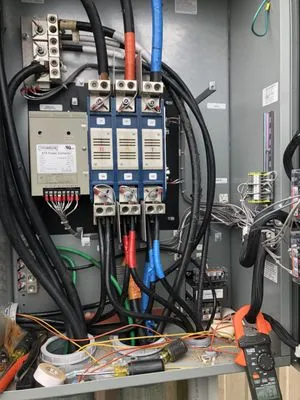
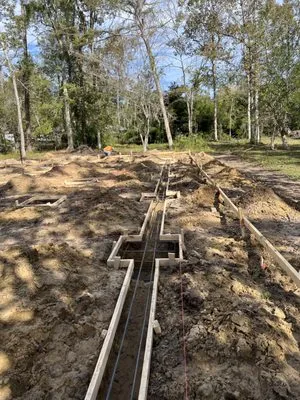
Stevens Construction & Design
Questions and Answers
How should I prepare my home's electrical system for a Northshore ice storm or a summer brownout?
Preparation focuses on backup power and surge protection. For winter ice storms that can knock out overhead lines, a permanently installed standby generator with an automatic transfer switch is the most reliable solution, keeping essential circuits like heat and refrigeration running. For frequent summer brownouts caused by peak AC demand, whole-house surge protection is critical, as brownouts and the subsequent power restoration often come with damaging voltage surges. Ensuring your service mast and meter base are secure against heavy ice accumulation is also a key pre-storm check for overhead services like yours.
I have a 150-amp Federal Pacific panel in my 1988 Mandeville home. Is it safe to add a Level 2 EV charger or a new heat pump system?
Installing major new loads on a Federal Pacific panel is not advised. These panels have a known, documented failure rate where the breakers may not trip during an overload or short circuit, creating a serious fire hazard. Beyond that brand-specific risk, your 150-amp service from 1988 may be insufficient for a Level 2 charger (requiring a 40-amp or 50-amp dedicated circuit) plus a modern heat pump and your existing home loads. The safe path is a full panel replacement with modern AFCI and GFCI breakers, which provides both the safety and the updated capacity your home needs for 2026 appliances.
I want to upgrade my electrical panel. What permits do I need from the City of Mandeville, and why can't I just do it myself?
A panel replacement or upgrade always requires an electrical permit from the City of Mandeville Planning and Development office. This isn't bureaucracy—it's a vital safety check. The permit ensures the work is inspected to comply with NEC 2023, the current code which includes critical updates for AFCI protection and surge suppression. In Louisiana, this work must be performed by a licensed electrician credentialed by the Louisiana State Licensing Board for Contractors. DIY panel work is exceptionally dangerous and illegal; it risks fire, electrocution, and will void your homeowner's insurance if a fault occurs. We handle the entire permit process, from application to final inspection, as part of our service.
My power comes in from an overhead mast on the roof. What are the common issues I should watch for with this type of service in Mandeville?
Overhead mast services, while common, have specific vulnerabilities. The mast itself, or the service drop cables from the utility pole, can be damaged by falling limbs from our mature oak trees. Visually inspect for any fraying or sagging of those lines. At the roof penetration, check for rust or gaps in the weatherhead that could allow water into your conduit, leading to corrosion inside the panel. Also, ensure the mast is still plumb and securely anchored; high winds can loosen it. Any damage here is before your main breaker, so it remains energized by Cleco and must only be addressed by them or a licensed electrician coordinating a service disconnect.
My lights flicker and my smart devices sometimes reset during storms. Is this a problem with Cleco's grid or something in my house?
Flickering during storms is often a combination of both. Cleco's overhead infrastructure in our area is exposed to the high lightning surge risk common to Louisiana's coastal plain, which can cause momentary dips or spikes in grid voltage. However, if your home lacks proper defense, those external surges travel inside. Your sensitive 2026 electronics need protection at the point of entry. We recommend a whole-house surge protective device (SPD) installed at your main service panel. This device, required by NEC 2023 for new installations, clamps dangerous over-voltages before they can damage your TV, computer, or smart home hub.
The power is completely out at my house and I smell something burning from an outlet. How fast can an electrician get to me in Old Mandeville?
For an emergency like a burning smell, we prioritize immediate dispatch. From our start point near the Mandeville Trailhead, we can typically reach any home in Old Mandeville within 8 to 12 minutes using I-12 for quick access across the neighborhood. Your first action should be to go to your main 150-amp panel and shut off the breaker for the affected room if it's safe to do so. This kind of fault requires urgent attention to prevent an electrical fire, so we move with purpose and have the diagnostic tools on our trucks to locate and isolate the problem upon arrival.
My house in Old Mandeville was built in 1988 and has original Romex wiring. Why are my lights dimming when I run the air conditioner and microwave at the same time?
Your electrical system is now 38 years old, and the original 12-gauge NM-B Romex, while safe for its era, wasn't designed for today's constant high-wattage loads. Modern 2026 homes often have multiple large appliances, computers, and entertainment systems running simultaneously, which can overload those original 15-amp and 20-amp kitchen and laundry circuits. The dimming lights are a clear sign of voltage drop under load, indicating your branch circuits are at capacity. An evaluation of your panel's bus bar loading and a potential circuit upgrade are the next logical steps for safety and reliability.
We live on the flat coastal plain near Lake Pontchartrain. Could the soil or environment be affecting my home's electrical grounding?
Absolutely. The moist, sandy soil common in Old Mandeville and around the Trailhead can accelerate corrosion on underground grounding electrodes, such as your ground rods. Over decades, this corrosion increases the resistance of your grounding system, which is a critical safety path for fault current. A high-resistance ground won't properly trip a breaker during a fault, leaving wires energized. We test this resistance with specialized equipment. Furthermore, the flat terrain and high water table mean grounding systems must be installed to specific depths and methods outlined in NEC 2023 to ensure a low-impedance connection to earth, regardless of soil conditions.
