Top Emergency Electricians in Bowling Green, KY, 42101 | Compare & Call


Lee Company


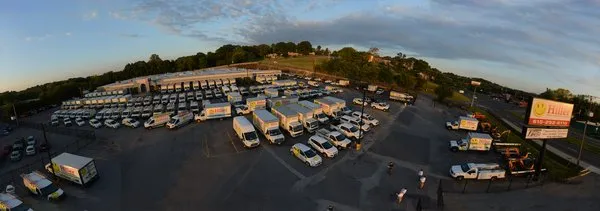
Hiller Plumbing, Heating, Cooling & Electrical

Favoured Electric
Question Answers
Does the rocky, rolling karst soil near WKU affect my home's electrical grounding?
Yes, karst topography with shallow bedrock and rocky soil can significantly challenge grounding electrode installation. A proper ground rod may not achieve the required 25-ohm resistance, compromising the safety path for fault currents. We often need to use alternative methods, like a concrete-encased electrode (Ufer ground) if available, or install multiple ground rods spaced far apart. Ensuring low-impedance grounding is crucial for surge protection and overall system safety.
Why do my lights flicker during storms, and is it damaging my computer?
Flickering during storms is typically due to grid disturbances from lightning or wind, a high-risk factor here. Bowling Green Municipal Utilities' overhead infrastructure is susceptible to these events. These micro-surges absolutely degrade sensitive electronics like computers and smart home devices over time. Installing a whole-house surge protector at your service panel is the most effective defense, clamping dangerous voltages before they enter your home's wiring.
The power is out and I smell burning near my panel. How fast can an electrician get to me in Greenwood?
For an emergency like a burning smell, which indicates active overheating, we prioritize immediate dispatch. From our central location near Western Kentucky University, we can typically reach any Greenwood address within 10-15 minutes via I-65. Your first action should be to shut off the main breaker if safe to do so. We will diagnose the fault at the panel, bus bars, or service entrance to prevent a potential fire.
What's involved in getting a permit for an electrical panel upgrade in Bowling Green?
The Bowling Green-Warren County Building Inspection Department requires a permit for any service upgrade or panel replacement. As a master electrician licensed by the Kentucky Department of Housing, Buildings and Construction, I handle the application, ensuring plans comply with the 2023 NEC. The process includes an inspection of the new service entrance, grounding, and interior panel wiring. This red tape exists to verify the installation is safe and protects your home's value and insurability.
My Greenwood house was built in 1989. Is the original wiring still safe for modern appliances?
A 37-year-old NM-B Romex wiring system, while code-compliant at the time, often lacks the capacity for today's simultaneous high-draw appliance loads. Circuits designed for fewer electronics can overheat, leading to nuisance breaker trips and accelerated insulation degradation. We frequently see this in Greenwood homes where adding a home office, EV charger, and modern kitchen on the original circuits pushes the 150A service to its limit. Upgrading key circuits and evaluating your panel's load calculation is a prudent safety and functionality step.
How can I prepare my home's electrical system for Kentucky ice storms and summer brownouts?
Ice storms threaten overhead service lines, while summer AC use strains the grid. For reliability, consider a permanently installed generator with an automatic transfer switch, which requires a permit and professional installation. Ensure your heating system's circuit is on a dedicated, protected branch. For brownouts, which cause low voltage that can damage compressor motors in AC units and refrigerators, a utility-monitoring whole-house surge protector also offers undervoltage protection.
I have an old 150A panel and want to add a heat pump and EV charger. Is my electrical system capable?
This depends heavily on your panel's brand and condition. Many 1989-era 150A panels can be leveraged for a heat pump, but adding a Level 2 EV charger (often a 40-50A circuit) usually requires a service upgrade to 200A. A critical safety check is identifying your panel brand; Federal Pacific panels, common in that era, are a known fire hazard and must be replaced before adding any major load. A full load calculation and panel inspection are non-negotiable first steps.
I have overhead power lines to a mast on my roof. What maintenance should I be aware of?
Overhead service drops and the masthead require periodic visual inspection, especially after severe weather. Look for cracked or sagging conduit on the mast, and ensure tree limbs are cleared back at least 10 feet from the service lines. The connection at the weatherhead can degrade over 37 years, allowing moisture ingress. Any work on the mast or service entrance conductors must be coordinated with BG-MU and requires a permit from the local building department.
