Top Emergency Electricians in Jamestown, IN, 46703 | Compare & Call

There are 36 electrician companies server in Jamestown IN
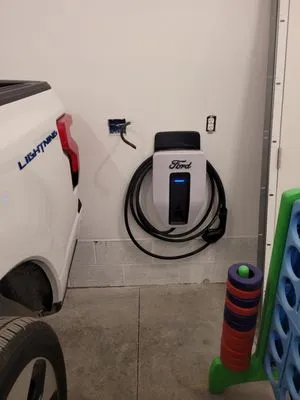
David Electric Service
David Electric Service is a licensed electrical contractor serving Indianapolis, Anderson, Monroe County, and Bartholomew County. Founded by Pawel David, the company brings extensive expertise from co...
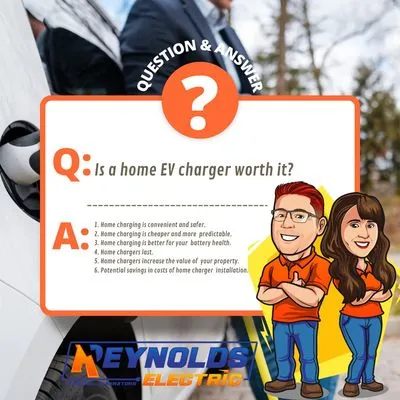
Reynolds Electric, LLC is a locally-owned and operated electrical contractor serving the Greater Indianapolis area with over 50 years of combined experience. We specialize in residential and light com...
Mister Sparky
Mister Sparky of Indianapolis is a locally established electrical service provider with a commitment to the community. We offer a comprehensive range of services, from essential repairs and installati...
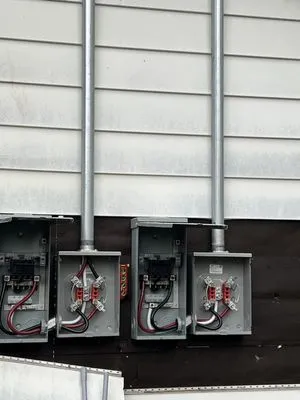
Brothers Electrical Services is a trusted, locally-owned electrical contractor serving homeowners throughout Indianapolis. We specialize in diagnosing and resolving the frustrating and potentially dan...
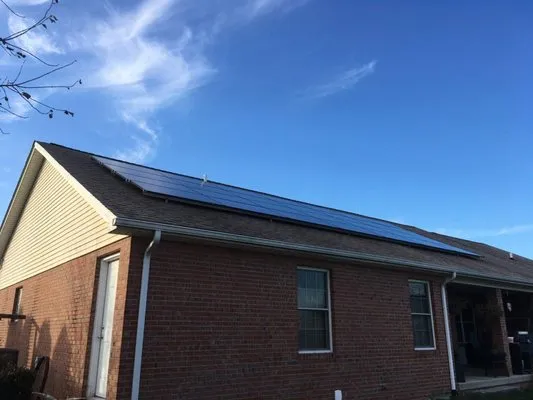
Simple Indy LLC is a locally-owned solar and electrical company serving Indianapolis, Indiana. Founded by CEO Kendall Ludwig, who brings 15 years of electrical experience including 6 years in solar, t...
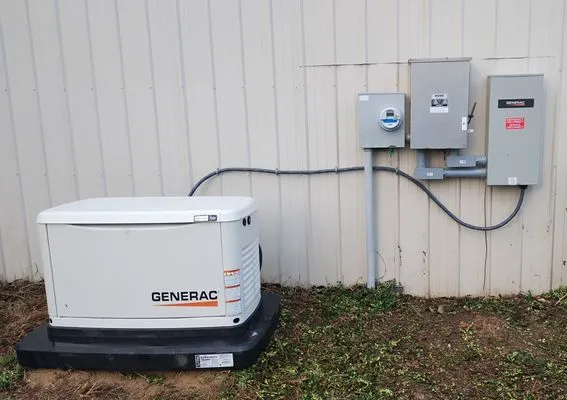
Copper Electric Service
Copper Electric Service is a Rossville-based electrical company founded on decades of genuine local experience. The owner began his journey in electrical work at 19 and has spent over 33 years special...
Mister Quik Home Services
For over 24 years, Mister Quik Home Services has been the trusted name for home comfort solutions in Indianapolis and central Indiana. We provide reliable, affordable electrical, plumbing, and HVAC se...
Collins Electric is a family-owned electrical service rooted deeply in the Royal Center community. With over a decade of experience, we are proud to serve Cass County and surrounding areas, providing ...

Tim, the founder of Electric Plus, brings over two decades of dedicated experience in the Indianapolis electrical construction market. After earning his degree in Construction Engineering and Manageme...
Prestige Handyman Services is your trusted, local home maintenance partner in Carmel, Indiana. We transform houses into comfortable, well-functioning homes through reliable repairs and expert installa...
Estimated Electrical Service Costs in Jamestown, IN
Question Answers
Do I need a permit to replace my old Federal Pacific electrical panel in Jamestown?
Yes, a permit from the Boone County Area Plan Commission is legally required and serves as a critical safety check. The work must comply with the current NEC 2020 code, which mandates AFCI protection for most living areas and specific grounding upgrades. As a Master Electrician licensed by the Indiana Professional Licensing Agency, I handle the permit filing, inspections, and ensure the installation meets all code requirements for your safety and insurance.
Can I add a Level 2 EV charger or a heat pump to my 1959 house with a 100-amp panel?
Safely, no. Your existing 100A service is already fully allocated for a 1959 home's original loads. A Level 2 charger alone can draw 40-50 amps, and a heat pump requires another 30-50. This would consistently overload your main breaker. Furthermore, if your panel is the recalled Federal Pacific brand, it presents a serious fire risk and must be replaced before any major upgrade. A full service upgrade to 200A is the necessary first step.
My power is out and I smell something burning near an outlet. How fast can an electrician get here?
For an emergency like a burning smell, we treat it as a top priority dispatch. From a central point like the Jamestown Public Library, we can typically reach most Downtown Jamestown locations via US-136 in 3 to 5 minutes. The first step is to shut off the circuit at your main panel if it's safe to do so, then we can diagnose the fault—often a failing receptacle or a loose connection in that 100A system.
My smart TV and router keep resetting during thunderstorms here. Is this a Duke Energy problem?
While Duke Energy Indiana manages the grid, seasonal thunderstorms on our agricultural plain create moderate surge risk for everyone. These voltage spikes travel directly into your home, targeting sensitive electronics. A whole-house surge protector installed at your main panel is the professional solution; it defends every outlet. Relying solely on power strips offers minimal protection against a direct or nearby lightning strike on the lines.
How can I prepare my home's electrical system for an ice storm in winter or a brownout during peak summer AC use?
For winter storms, ensure your heating system's circuit is clear and consider a professionally installed generator with a transfer switch to avoid dangerous back-feeding. Summer brownouts, caused by grid strain, highlight the need for a modern, properly sized panel to handle startup loads. In both cases, a whole-house surge protector is critical, as grid fluctuations during these events are a leading cause of damaged appliances and electronics.
We have very flat land here. Does that affect my home's electrical grounding or reliability?
The flat, often damp agricultural soil common around Downtown Jamestown is actually beneficial for your grounding electrode system, as it typically provides good conductivity. The primary electrical concern in this terrain is overhead service lines. With few natural windbreaks, lines are exposed to ice and high winds from thunderstorms. Ensuring your masthead and weatherhead are secure and your service entrance cables are in good condition is key to maintaining reliable overhead service.
I have overhead lines coming to my house. What maintenance should I be aware of?
With an overhead mast service, your responsibility starts at the weatherhead—the point where Duke Energy's lines connect to your home. You should visually inspect the mast for rust or damage, and ensure the conduit is securely attached to the house. The service drop cables should be clear of tree branches. Any work on this mast, the meter base, or the panel behind it requires a licensed electrician and a permit from the Boone County Area Plan Commission.
Why do my lights dim when my air conditioner kicks on in my Downtown Jamestown home?
Your home's original 1959 cloth-jacketed copper wiring is now 67 years old. This aging system was never designed for the constant, high-power demands of modern appliances like central air. The insulation is likely brittle, and the wiring gauge may be insufficient, creating resistance that causes voltage drop and dimming lights under load. Upgrading the panel and circuit wiring is the standard fix to bring capacity and safety up to 2026 standards.
