Top Emergency Electricians in Westchester, IL, 60154 | Compare & Call


Broadview Electrician Service
Westchester Licensed Electrician

Q&A
I have an old Federal Pacific panel and want to install an EV charger. Is my 100-amp system safe enough?
No. Federal Pacific panels have known, widespread failure risks and are not compatible with modern safety devices. A 100-amp service from 1957 also lacks the spare capacity for a Level 2 EV charger, which can draw 40-50 amps on its own. The safe path is a full service upgrade to 200 amps, which includes replacing the hazardous panel with a new one equipped with AFCI and GFCI breakers as required by current code.
Do ComEd's seasonal thunderstorms in Westchester damage smart home electronics?
Yes, the moderate surge risk from our local grid is real and can degrade or destroy sensitive electronics over time. While ComEd manages the main distribution, the final defense for your equipment is inside your home. Installing a whole-house surge protector at your main panel, rated for the highest available joule protection, is the most effective method to shield your investment in smart devices and appliances.
What permits are needed for an electrical panel upgrade in Westchester, and who handles that?
All major electrical work in Westchester requires a permit from the Building Department and a final inspection. As a master electrician licensed by the Illinois Department of Financial and Professional Regulation, I pull the permits and schedule the inspections as part of the job. This ensures the installation meets NEC 2023 standards and is documented with the village, which is essential for your safety, insurance, and future home sales.
How should I prepare my home's electrical system for a Chicago winter ice storm or a summer brownout?
Winter preparedness starts with ensuring your heating system's electrical components are serviced and that outdoor outlets are protected with weatherproof in-use covers. For extended outages, a permanently installed generator with an automatic transfer switch is the safest, code-compliant backup. In summer, managing load by staggering high-demand appliances can help prevent overloading an older system during peak heat, reducing brownout risks inside your home.
My power went out and I smell something burning near my panel. How fast can an electrician get here?
We prioritize emergency calls like this for immediate dispatch. From our starting point near Wolf and Cermak Road, we can typically reach any home in Westchester via I-290 within that 5-8 minute window. A burning odor indicates an active electrical fault—do not touch the panel. Our first action is to safely isolate the problem at the service entrance to prevent a potential fire.
We have very flat, dense soil in Westchester. Could that affect my home's electrical grounding?
The flat, often clay-heavy soil on this suburban plateau can impact grounding electrode resistance. Proper grounding is critical for safety and surge dissipation. During a panel upgrade or service change, we perform a ground resistance test. If the reading is too high, we may need to drive additional grounding rods or install a ground ring to achieve the low-resistance path required by the National Electrical Code for effective fault clearing.
My power comes from an overhead line to a mast on my roof. Is that a problem for reliability?
Overhead service, common in Westchester, is reliable but exposes the masthead and weatherhead to the elements. The primary concern is ensuring the mast is properly secured and the service entrance cables are in good condition, especially on a home from the 1950s. We inspect for corrosion, proper drip loops, and mast integrity during any service evaluation. While underground service is less prone to weather disruption, maintaining your overhead connection is a standard part of home electrical upkeep.
Why do my lights dim in my 1957 Westchester Highlands home when the air conditioner kicks on?
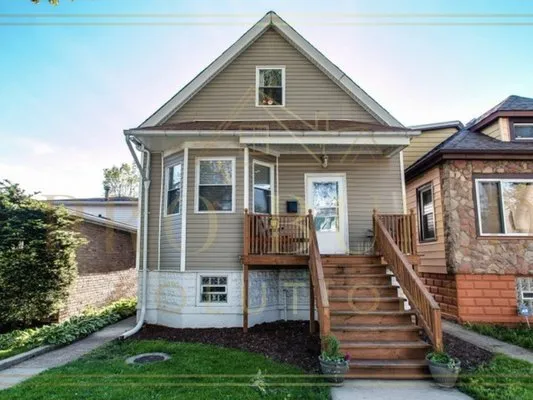
Your home's electrical system is 69 years old, and its original cloth-jacketed copper wiring was never designed for today's high-current appliances like modern central air. The 100-amp service panel, typical for 1957, now operates near its limit during peak summer loads. This voltage drop causes the dimming. A panel and service upgrade to 200 amps restores stable voltage and provides the capacity required for contemporary living.
