Top Emergency Electricians in Rockford, IL, 61020 | Compare & Call

Krup Electric Company
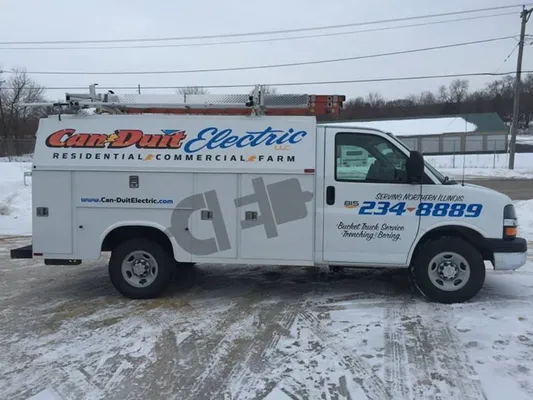
TC Electrical Services
Gibbons Electric
Home Hero Repair
FAQs
We live on the rolling river bluffs near the Nicholas Conservatory. Could the terrain affect our home's electricity?
Yes, the terrain presents specific challenges. Rocky soil can make achieving a low-resistance grounding electrode system difficult, which is critical for safety. Furthermore, mature trees common in these scenic areas can cause line interference or damage during storms if limbs contact overhead service drops. An electrical inspection should verify your grounding integrity and assess tree clearance for overhead lines.
We found a Federal Pacific panel in our 1960s house and want to add an EV charger. Is this safe?
No. Federal Pacific panels have a known, widespread failure rate where breakers may not trip during an overload, creating a severe fire risk. They must be replaced. Furthermore, a 100-amp panel from 1963 cannot safely support a Level 2 EV charger or a modern heat pump; both require a service upgrade to 200 amps. We must first install a new, code-compliant panel with adequate capacity before integrating new high-load equipment.
What permits are needed for a panel upgrade in Rockford, and do you follow the latest code?
All major electrical work requires a permit from the City of Rockford Community Development Department and a final inspection. As a master electrician licensed by the Illinois Department of Financial and Professional Regulation, I ensure every installation meets or exceeds the NEC 2023 code. Handling this red tape is part of the job—it’s your guarantee the work is documented, safe, and adds value to your property.
Our Rockford home's electrical system was installed in 1963. Why are our lights dimming with the microwave on?
Your cloth-jacketed copper wiring and 100-amp service are now 63 years old. That system was designed for a handful of appliances, not the simultaneous demands of a modern home with multiple computers, large-screen TVs, and high-wattage countertop devices. The original circuits are simply overloaded. Upgrading the service and replacing aging wiring addresses this capacity issue and eliminates a significant fire hazard inherent in old, brittle insulation.
How should I prepare my home's electrical system for a Rockford winter ice storm or a summer brownout?
For winter, ensure your heating system is on a dedicated, properly sized circuit and consider a hardwired backup generator installed with a transfer switch—never use a portable generator indoors. Summer AC peaks strain the grid; having an electrician evaluate your panel's load calculation can prevent overheating. In both seasons, whole-house surge protection safeguards electronics from the voltage swings common during grid instability.
Why do my lights in Rockford flicker during storms, and should I worry about my new smart TV?
Flickering often stems from ComEd's overhead grid reacting to wind, tree contact, or seasonal lightning strikes—a moderate but real surge risk in our area. These voltage irregularities can damage sensitive electronics like smart TVs and computers. Installing a whole-house surge protector at your main panel is the most effective defense, clamping dangerous spikes before they reach your appliances.
I smell something burning from an outlet in my Highland home. How quickly can an electrician get here?
Treat a burning smell as an immediate fire risk—shut off power to that circuit at the panel. From a central dispatch point near the Nicholas Conservatory & Gardens, a service vehicle can typically reach Highland neighborhoods via I-39 / US-20 in 8 to 12 minutes for urgent calls. Our priority is rapid response to prevent electrical fires before they start.
My Highland home has overhead wires coming to a mast on the roof. What should I know about this setup?
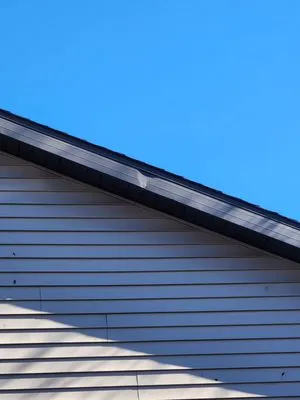
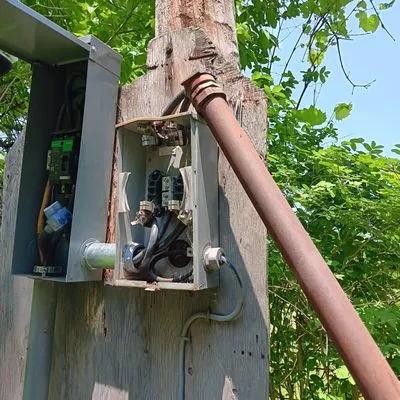
Overhead service is standard here, but the mast and weatherhead where the utility lines connect are critical points of failure. They must be properly secured and sealed against Rockford's weather. Ice accumulation or wind can damage these components. During a service upgrade to underground or a larger overhead line, we coordinate with ComEd for the connection and ensure all mast hardware meets current structural and electrical codes.
