Top Emergency Electricians in Post Falls, ID, 83854 | Compare & Call

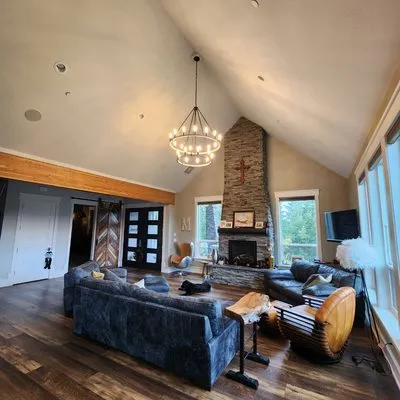
Re Energized Design Group, owned and operated by Richard, is a trusted electrical service provider in Post Falls, ID. We handle projects of all sizes, from simple repairs and installations to major pa...

R R Reese & Sons Electric is a trusted, locally-owned electrical contractor serving Post Falls and the surrounding communities. We specialize in comprehensive electrical inspections, a critical servic...
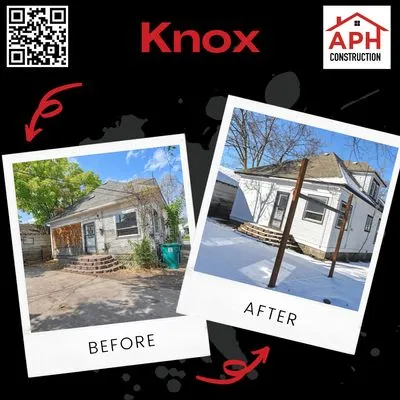
Serving the Spokane and Coeur d'Alene area since 2004, APH Construction is your trusted local contractor for urgent home repairs and renovations. Based in Post Falls, we specialize in coordinating lic...
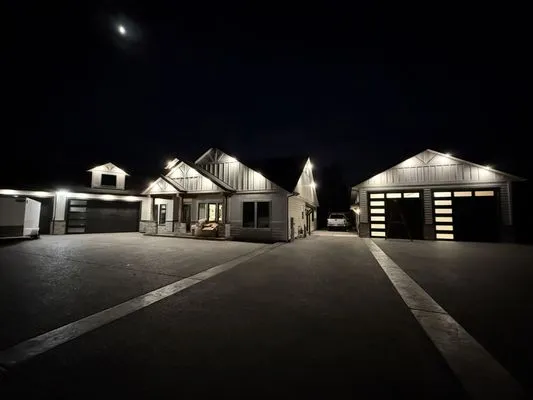
E&E Electric is a trusted, locally-owned electrical contractor serving Post Falls and the surrounding communities. Our team of licensed electricians provides reliable solutions for both homes and busi...
River City Electric
River City Electric is your trusted, local electrical partner in Post Falls, Idaho. Established in 2005 and fully licensed and insured, we bring over 40 years of combined hands-on experience to every ...
United Electrical Contractors is a trusted, Post Falls-based electrical service dedicated to keeping local homes safe and powered. We understand the common frustrations in our area, such as damaged un...
CT Electric is your trusted local electrician serving Post Falls, ID, and the surrounding communities. We specialize in comprehensive electrical services, from detailed inspections and expert installa...
Acme Electric is a trusted local electrical service based in Post Falls, Idaho, dedicated to keeping homes safe and functional. We understand the specific challenges homeowners in our area face, such ...
Schab Co brings over three decades of construction expertise directly to Post Falls homes. For the last 23 years, the focus has been on electrical work, with a solid foundation built through 13 years ...
S&J Electric is a trusted local electrical contractor serving Post Falls, ID, and the surrounding communities. We specialize in comprehensive electrical services, from inspections and installations to...
Estimated Electrical Service Costs in Post Falls, ID
Q&A
Our home in Highland Park was built in 2001 and has original wiring. Why do the lights sometimes dim when we run our new appliances?
Your 25-year-old NM-B Romex wiring is the standard for its era, but modern 2026 appliances like induction cooktops and tankless water heaters demand much higher, instantaneous current. Original circuits from 2001 may be undersized or at capacity, causing voltage drop that manifests as dimming lights. A Master Electrician can perform a load calculation and recommend dedicated circuits to safely handle your current electrical usage.
Our neighborhood has underground power lines. What are common issues with this type of service, and where is my main disconnect?
Underground laterals, common in newer Post Falls subdivisions, are protected from wind and ice but have unique concerns. The main service disconnect and meter are typically on an exterior wall. Issues can arise at the underground conduit entry point if it's not properly sealed against moisture, or from damage during landscaping. Trenching for new circuits like an EV charger also requires careful planning to avoid the existing lateral. Always call 811 before any digging.
I want to upgrade my electrical panel. What permits are needed from the City of Post Falls, and does the work have to follow the 2023 NEC?
All panel upgrades require a permit from the Post Falls Building Division and a final inspection. As a Master Electrician licensed by the Idaho Division of Occupational and Professional Licenses, I handle this red tape. The work must fully comply with the 2023 NEC, which mandates AFCI protection for most circuits and specific requirements for service equipment. Using a licensed professional ensures the installation is safe, legal, and insurable, avoiding costly corrections down the line.
How can I prepare my home's electrical system for Post Falls winter storms and potential brownouts during peak heating season?
Winter loads strain electrical systems. Ensure your furnace and heat pump circuits are on AFCI/GFCI breakers as required by current code for safety. Consider a hardwired standby generator with an automatic transfer switch; portable generators must be connected via a proper interlock kit to prevent dangerous backfeed. For ice storms, inspect the masthead and service entrance conductors for ice dam vulnerability, and verify your grounding electrode system is intact in the frozen ground.
We live on the rolling river terrace near Q'emiln Park. Could the soil or terrain affect our home's electrical grounding?
Yes, terrain directly impacts grounding efficacy. The rocky, well-drained soils common on these terraces can have high resistance, making it difficult for a grounding electrode to establish a reliable connection to earth. This can compromise surge dissipation and equipment safety. We often need to install supplemental grounding electrodes or use chemical treatments to achieve the low-resistance ground required by the NEC, especially for homes with sensitive electronics or backup generators.
What should I do first if I suddenly lose power or smell something burning in my house?
Immediately go to your main service panel and shut off the main breaker to cut power to the home. For a burning smell, this is a critical fire prevention step. Once the home is safe, call for emergency service. From Q'emiln Park, our truck can typically be en route via I-90 in under 10 minutes to diagnose the issue, whether it's a failed breaker, arcing connection, or a fault in the underground service lateral.
I've noticed occasional flickering lights in my Post Falls home. Is this a problem with Avista's grid or my house wiring?
While Avista maintains a generally stable grid with low surge risk, flickering typically points to an issue within your home's electrical system. Loose connections at outlets, switches, or within the main panel can cause intermittent voltage drop. For modern smart home electronics, even minor fluctuations can cause damage or data loss. A thorough inspection can identify and secure these connections, and installing whole-house surge protection adds a critical layer of defense for all your devices.
We're thinking of adding a heat pump and an EV charger to our 2001 home with a 200A panel. Is this safe, and what should we check first?
A 200-amp service is a good starting point, but the panel's internal components are crucial. First, verify the panel brand is not a recalled Federal Pacific model, as these pose a significant fire risk and cannot be safely modified. Even with a safe panel, a professional load calculation is mandatory before adding a 240-volt Level 2 EV charger and heat pump. We often install a dedicated sub-panel to manage these high-demand additions without overloading the main bus bars.
