Top Emergency Electricians in Moscow, ID, 83843 | Compare & Call

Gropp Heating Air & Electric
FAQs
My power comes from an overhead line to a mast on my roof. What are the main things I should watch for?
Overhead service entrances, common in Moscow, require periodic visual inspection. Check the cable (the service drop) where it attaches to your roof mast and where it enters the weatherhead for any fraying, cracking, or animal damage. Ensure the mast is still plumb and securely mounted, as heavy ice or wind can strain it. Also, keep tree branches trimmed well back from the lines. Any sagging in the lines or damage to the mast should be reported to Avista immediately, as this is their equipment up to the connection point on your home.
Why do my lights flicker when my neighbor's heat pump kicks on? Is this an Avista grid problem?
Flickering often points to a voltage drop within your own electrical system, not necessarily the Avista grid. When a large motor like a heat pump starts, it demands a sudden surge of current. If your home's wiring has loose connections or undersized cables feeding your panel, it can't maintain steady voltage, causing lights to dim. While Avista manages a generally stable grid, the moderate surge risk in our area from lightning and grid switching makes whole-house surge protection a wise investment to protect sensitive electronics from any external or internal voltage spikes.
I have no power and smell something burning near my panel. How quickly can an electrician get to the Highland Park area?
For an emergency like that, we treat it as a priority dispatch. From a starting point near the University of Idaho campus, we can typically be en route via US-95 to most Highland Park locations within 5 to 8 minutes. The burning odor indicates active overheating or arcing, which is a fire hazard. Your first action should be to call 911 if you see smoke or flames, and then call a licensed electrician. Do not attempt to reset any breakers yourself in this situation.
My Moscow home's wiring is over 45 years old. Is that why my kitchen circuits keep tripping?
Yes, that's a very likely cause. A home built around 1980 has original wiring designed for a different era of appliances. The NM-B Romex cable, while still code-compliant if in good condition, was installed for loads like a single refrigerator and a toaster oven, not today's high-draw air fryers, instant pots, and espresso machines. Over time, connections can also loosen in outlets and switches, creating resistance and heat that leads to nuisance tripping. In Highland Park, we often see this exact scenario where the electrical system simply can't keep up with modern demand.
I want to upgrade my electrical panel. What do I need to know about permits and codes in Moscow?
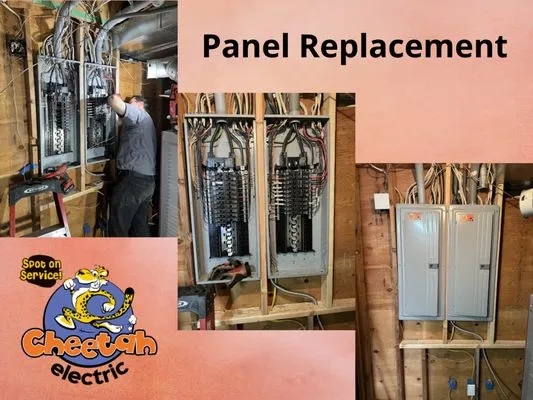
All panel upgrades require a permit from the City of Moscow Building Department and must be inspected. As of 2026, the work must comply with the NEC 2023 code, which may mandate new safety devices like AFCI breakers for certain circuits. I handle securing the permit and scheduling all inspections as part of the job. Using a master electrician licensed by the Idaho Division of Occupational and Professional Licenses ensures the work meets these standards and protects your home's value and safety. Skipping permits can void your homeowner's insurance and create serious liability issues.
I heard Federal Pacific panels are dangerous. Can my 100-amp service from the 80s even handle adding an EV charger or a heat pump?
You've identified two critical issues. First, Federal Pacific panels are a known safety hazard due to breakers that can fail to trip during an overload, creating a serious fire risk. Replacing that panel is a non-negotiable first step. Second, a 100-amp service from the 1980s is at capacity for a standard home. Adding a Level 2 EV charger (40-50 amps) or a heat pump system would require a full service upgrade to 200 amps. In Moscow, this is a common project we perform to bring older homes up to modern, safe standards.
We live in the rolling hills near campus. Could the terrain affect our home's electrical grounding?
The rocky, variable soil common in the Palouse hills can directly impact grounding effectiveness. A proper grounding electrode system relies on good contact with consistently damp earth to safely dissipate fault currents. Rocky or gravelly soil has high resistance, which can compromise this path. We often need to drive grounding rods deeper or use multiple rods to achieve the low resistance required by code. This is a critical safety check, especially for older homes where the original ground may have degraded or was never sufficient for the local soil conditions.
How should I prepare my home's electrical system for a Moscow ice storm or winter brownout?
Winter preparedness focuses on backup power and surge protection. The heating surge during our coldest snaps strains the grid and can lead to brownouts. A properly installed and permitted standby generator can keep essential circuits like your furnace, fridge, and some lights running. For less critical needs, a heavy-duty portable generator used with a manual transfer switch is a good option. Ensure any generator is operated well away from the home to prevent carbon monoxide poisoning. Surge protectors at the panel guard against power fluctuations when utility service is restored.
