Top Emergency Electricians in Guthrie Center, IA, 50115 | Compare & Call

There are 11 electrician companies server in Guthrie Center IA
Platinum Electric Service is a licensed and insured electrical contractor based in Urbandale, IA, serving residential and commercial clients throughout the Des Moines metro area, including West Des Mo...
Raleigh Electrical Services is a trusted Des Moines electrician specializing in electrical inspections and lighting solutions. We help local homeowners address common electrical problems like loose co...
Arc Electric
Arc Electric provides trusted electrical services for homes and businesses in Grimes, IA, and surrounding communities. We specialize in safe, code-compliant electrical installations, repairs, and upgr...
Sharp Electric is a trusted, family-owned electrical service provider in Johnston, IA, founded by fifth-generation Master Electrician Nick Sharp. With over 15 years of hands-on experience, Nick brings...
Lazer Home Services
Lazer Home Services has been a trusted provider of heating, cooling, plumbing, and electrical services for Des Moines homeowners since 2001. Their team of certified technicians is dedicated to ensurin...
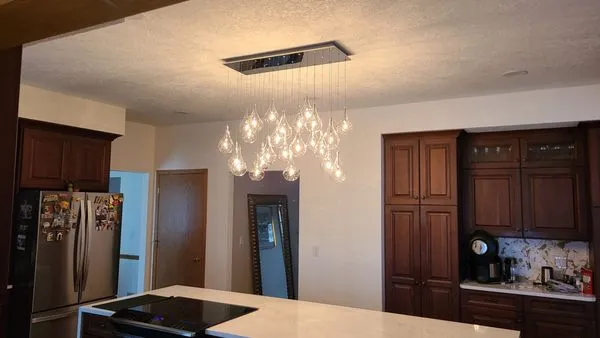
Halbrook Electric is a trusted, locally-owned electrical contractor serving Ankeny and Central Iowa since 2007. Founded by owner Jason Halbrook, we are a smaller, customer-focused business dedicated t...
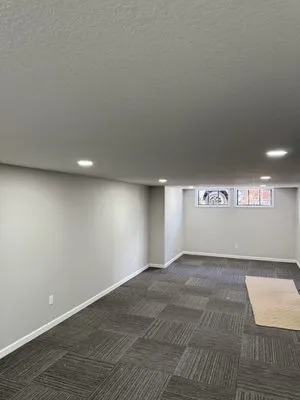
NextGen Electrical Solutions is a Des Moines-based electrical service provider dedicated to delivering honest, reliable, and high-quality work for every customer. We are committed to meeting the highe...
Carr Electric is a trusted, locally-owned electrical contractor serving Greenfield, IA, and the surrounding Adair County area. We understand the unique challenges homeowners and businesses face, parti...
Venteicher Electric is a trusted local electrician serving Guthrie Center, IA, and surrounding areas. We specialize in professional electrical inspections to identify and resolve common issues like lo...
Thompson & Son Electric is a trusted, family-operated electrical contractor proudly serving Guthrie Center and the surrounding area since 1977. With decades of local experience, we understand the uniq...
Estimated Electrical Service Costs in Guthrie Center, IA
Q&A
We have overhead power lines coming to a mast on our roof. What are the common maintenance issues with this setup?
Overhead service, common in Central Guthrie Center, has specific vulnerabilities. The masthead where lines enter your home can corrode or loosen, risking a pull-away. The service drop wires themselves are exposed to ice, wind, and tree contact. Inside, the wiring from the meter to your main panel must be inspected for age and capacity. Key maintenance includes ensuring mast hardware is secure, tree limbs are cleared back from the lines, and the weatherhead is intact. During a service upgrade, we often transition to a more robust mast assembly and replace the old service entrance cables.
How can I prepare my home's electrical system for Iowa's -15°F ice storms and summer brownouts?
Preparation focuses on redundancy and protection. For winter, ensure your heating system's circuit is inspected and that you have a safe, code-compliant generator interlock kit installed for backup power—never use a generator through a window or without a proper transfer switch. Summer brownouts from AC demand strain old components, making a service upgrade the best long-term fix. In both seasons, whole-house surge protection is critical, as grid fluctuations during storms and recovery cause damaging surges. These steps move you from reactive to resilient.
We just lost all power and smell something burning near the panel. How fast can a Master Electrician get here?
For an emergency like that, we dispatch immediately from our location near the Guthrie County Courthouse. Using IA-25, we can typically be at your door in Central Guthrie Center within 3 to 5 minutes. The burning smell indicates an active failure, possibly within a Federal Pacific panel, which requires immediate disconnection at the meter to prevent a fire. Do not attempt to reset any breakers. Our first priority is to make the scene safe, diagnose the fault at the service entrance, and provide a clear path to restoration.
Our smart TVs and computers keep getting fried during storms. Is this an Alliant Energy grid problem or something in our house?
While Alliant Energy manages the grid, the high surge risk from frequent prairie lightning means protection must start at your home. Power surges enter through service lines, phone cables, and coaxial lines. A basic power strip offers little defense. Whole-house surge protection installed at your main panel is essential to clamp down massive voltage spikes before they reach your electronics. For critical devices, adding point-of-use protectors provides a final layer of defense. This layered approach is the only reliable method to safeguard modern electronics in our area.
We live on the rolling prairie near the courthouse and have intermittent power issues. Could the terrain be a factor?
Absolutely. The expansive, rolling terrain can affect your electrical system in two key ways. First, long service runs from the utility transformer to your home are more susceptible to voltage drop and interference from lightning. Second, achieving a proper ground in prairie soil can be challenging; dry, rocky, or frozen earth raises grounding resistance, compromising the safety path for faults and surge protection. An electrician should test your grounding electrode system and may need to drive additional rods or use a ground plate to meet the 25-ohm requirement, ensuring your safety devices function correctly.
We want to add a Level 2 EV charger and a heat pump, but our home was built in 1952. Is our electrical panel safe for this?
Your current setup presents two major hurdles. First, the 60-amp service lacks the capacity to add these large, continuous loads without causing constant overloads. Second, if your home still has a Federal Pacific panel, it is a known fire hazard with breakers that can fail to trip. Supporting a modern heat pump and EV charger requires a full service upgrade to 200 amps, replacement of the hazardous panel, and a dedicated circuit run with the correct wire gauge. Without this upgrade, attempting to install either appliance is unsafe and violates the National Electrical Code.
What permits and codes are required for a main electrical panel upgrade in Guthrie County?
All panel replacements and service upgrades require a permit from Guthrie County Planning and Zoning and a final inspection. The work must fully comply with the 2020 National Electrical Code (NEC), which is the standard enforced by the Iowa Electrical Examining Board. This includes updated AFCI and GFCI breaker requirements, proper grounding and bonding, and specific working space clearances around the new panel. As a licensed Master Electrician, I handle the permit paperwork, ensure the installation meets all NEC and local amendments, and coordinate the inspection, so you have a legal, safe, and insurable system.
My lights dim when the air conditioner kicks on in my 1950s Guthrie Center home. Is this a safety issue?
That dimming is a warning sign. Your 74-year-old electrical system, built in 1952, was designed for a handful of lights and basic appliances. Original cloth-jacketed copper wiring has degraded insulation and lacks the capacity for modern 2026 loads like large refrigerators, computers, and central air conditioning. The 60-amp main service panel, once standard, is now dangerously overloaded, creating a fire risk from overheated wires and connections. An upgrade to a 200-amp service with modern wiring is not just an improvement; it's a critical safety update.
