Top Emergency Electricians in Kurtistown, HI, 96760 | Compare & Call

There are 25 electrician companies server in Kurtistown HI
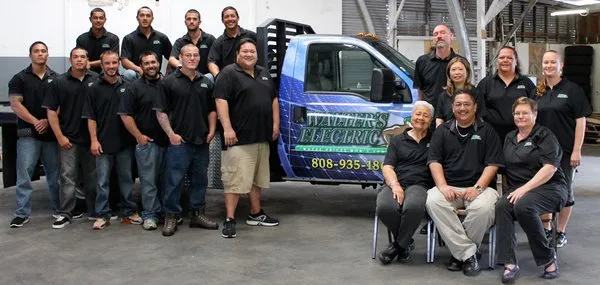
Walter's Electric has been Hilo's trusted electrical contractor since 1977, providing reliable residential and commercial services. As a family-run business, we specialize in everything from electrica...
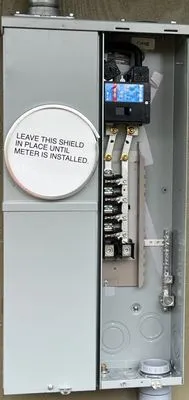
At Ejays Handyman & Electrical Services in Hilo, we believe electricity is a vital yet powerful force in your home. Founded by an electrician with over five years of hands-on experience, our business ...
Makekau Electrical is a trusted electrical contractor serving Hilo, HI, specializing in comprehensive electrical services for residential and commercial clients. As a licensed electrician, we handle e...
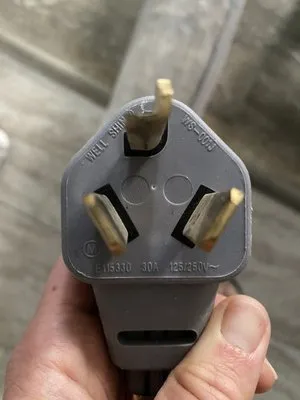
Mason's Repair Service is a trusted, locally-owned electrical contracting business in Keaau, built on a legacy of expertise. As a second-generation electrician, I bring over three decades of hands-on ...
Yamamoto Electrical Services is a trusted, family-owned electrical contractor serving Hilo and the surrounding Big Island communities. Founded on principles of reliability and clear communication, we ...
Inouye Electric LLC, an Electrical Contractor serving Hilo, Hawaii, brings over 20 years of electrical experience to every project. Founded in 2010, this locally-owned business specializes in resident...
Reliable Repairs Hawaii is your dedicated, 24/7 (except Sunday) handyman and electrical service in Hilo, ready to tackle projects big and small across the Big Island. We specialize in solving lighting...
B Bautista Electrical Contractor is a trusted local electrician serving Keaau, HI, specializing in professional electrical inspections to ensure home safety and reliability. Many Keaau homes face comm...
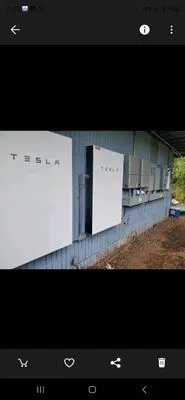
Aloha, I'm Lopaka Wilson, founder of First Choice Electrical & Solar in Hilo. My journey began with a Hawaii Journeyman Electrical license in 2013, and I've been performing hands-on electrical work ev...
Big Island Electrical Service
Big Island Electrical Service is a family-owned and locally operated electrical contractor serving Keaau and surrounding communities for over two decades. Founded and led by Gilbert J. Aguinaldo, a Bi...
Estimated Electrical Service Costs in Kurtistown, HI
Question Answers
I smell burning from an outlet and lost power in Kurtistown. How fast can an electrician get here?
A burning smell requires immediate action. For a life-safety emergency like this, our dispatch prioritizes you. From our staging near Kurtistown Park, we'd take Hawaii Belt Road directly to your location, with an estimated arrival of 5-8 minutes. Do not use the outlet, and if safe, shut off the circuit at your main panel until help arrives.
My grounding rod is on a rocky volcanic slope. Could that be why I get tingles from my faucets?
Absolutely. Proper grounding requires low-resistance contact with consistently moist soil. Rocky, well-drained volcanic soil near Kurtistown Park can compromise your grounding electrode system, leading to stray voltage and potential shock hazards. An electrician should test your ground resistance and may need to install additional grounding rods or a concrete-encased electrode to achieve a safe, code-compliant path to earth.
My overhead power line came down in a storm. Who fixes the line from the pole to my house?
Hawaiian Electric (HELCO) owns and maintains the service drop from the utility pole to the connection point on your home, typically the weatherhead. You, the homeowner, are responsible for the mast, conduit, and wiring from that connection point down to your meter and main panel. After a storm, report the downed line to HELCO immediately, then a licensed electrician can repair your mast assembly once the utility has made their connection safe.
I need a panel upgrade. What's involved with permits from Hawaii County, and does the electrician handle it?
A service upgrade requires a permit from the Hawaii County Department of Public Works - Building Division and must comply with NEC 2020. As a Master Electrician licensed by the Hawaii DCCA, I handle the entire permit process—application, scheduling inspections, and providing the required documentation. This ensures the work is legally performed and inspected for safety, protecting your home's value and insurance coverage.
I have a 100-amp panel and want a Level 2 EV charger. Can my Kurtistown home handle it without a fire risk?
Adding a Level 2 EV charger to a 100-amp service from 1993 is generally not feasible without a service upgrade. The charger alone can draw 40-50 amps, which would overload your main panel under normal household load. Furthermore, if your panel is a Federal Pacific brand, it presents a known fire hazard due to faulty breakers that may fail to trip. A full service upgrade to 200 amps is the safe, code-compliant path forward for EV readiness.
With our humid summers, should I worry about brownouts affecting my refrigerator and freezer?
Summer humidity increases cooling loads, straining the grid and raising brownout risks. For essential appliances, consider installing a dedicated backup generator with a proper transfer switch. A licensed electrician can also evaluate your critical circuits to ensure they are on a protected leg. Proactive surge protection is equally important, as brownouts are often followed by damaging voltage spikes when power is restored.
My smart TVs keep getting zapped during storms. Is this a problem with Hawaiian Electric or my house wiring?
Frequent surges damaging electronics point to inadequate whole-house surge protection. While HELCO manages the grid, the Hawaiian Islands experience high lightning activity and volcanic-induced grid fluctuations. Your home's first line of defense should be a Type 1 surge protection device installed at your service entrance, followed by Type 2 protection at your main panel. This layered approach is critical for safeguarding modern electronics.
My 1993 Kurtistown Village home flickers when the AC kicks on. Is the original wiring just too old?
Your home's NM-B Romex wiring is now 33 years old. While the cable itself may be sound, the system was designed for the lower power demands of the 1990s. Modern appliances like air conditioners, computers, and kitchen equipment place a much higher, continuous load on circuits that weren't sized for it. This often leads to voltage drops, nuisance breaker trips, and overloaded wires, signaling the need for a professional capacity assessment.
