Top Emergency Electricians in Wellington, FL, 33411 | Compare & Call

Royal Electric & Services
Singer Electrical Contracting

Relyt Electrical Services
Questions and Answers
My home has underground electrical service from the street. What should I know about maintenance or issues with this setup?
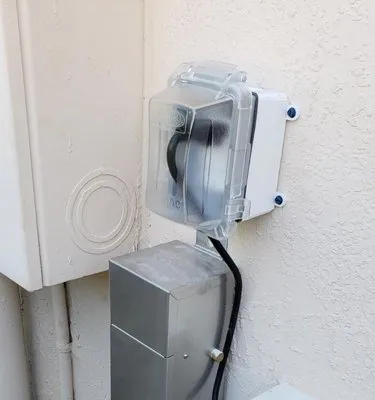
Underground service laterals, common in Wellington subdivisions, are generally more reliable against storm damage than overhead lines. The primary concerns are rarely on the homeowner's side; issues typically occur at the utility connection point or if the buried cable is damaged by excavation. Homeowner maintenance focuses on the meter enclosure and the conduit entry point into the house, ensuring they are sealed against water intrusion. If you lose power while neighbors have it, the fault is likely in your dedicated underground lateral, requiring coordination between your electrician and FPL to diagnose.
My Wellington home was built around 1995. Is my original wiring still safe for modern electronics and appliances?
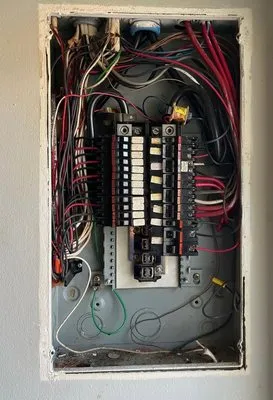
Your electrical system is now about 31 years old. The NM-B Romex wiring installed then is generally safe if it has not been damaged, but it wasn't designed for today's constant high-power loads from multiple computers, large-screen TVs, and kitchen gadgets. Many Wellington Village Center homes from that era have full breaker panels, leaving no capacity for safe upgrades. We often find that circuits are overloaded, which can cause overheating over time. A professional assessment can confirm if your service can handle 2026 demands or if a panel upgrade is necessary.
My power just went out and I smell something burning near an outlet. Who can get here fast in Wellington?
For a burning smell with a power loss, treat it as an urgent fire risk. Turn off the main breaker if safe to do so and call for immediate service. From our location near Village Park, we can typically dispatch a master electrician to most Wellington addresses via SR-7/US-441 within 8 to 12 minutes for genuine emergencies. A fast response is critical to locate the overheating connection or faulty device before it causes significant damage.
How can I prepare my home's electrical system for summer brownouts and the occasional winter cold snap?
Summer AC strain on the grid can cause brownouts, which are low-voltage conditions that overheat motors in your AC compressor, refrigerator, and pool pump. A whole-house surge protector also helps mitigate some brownout-related spikes. For extended outages from storms or winter cold, a properly installed generator with a transfer switch is the best solution. It's vital to have an electrician install the interlock kit or transfer switch to avoid back-feeding power onto FPL's lines, which is illegal and deadly for utility workers.
Do I need a permit from the Village of Wellington to replace my electrical panel, and what codes do you follow?
Yes, replacing a service panel always requires a permit from the Village of Wellington Building Department. As a state-licensed contractor, we pull all necessary permits and schedule the required inspections. All our work complies with the Florida Building Code, which currently enforces the 2023 National Electrical Code (NEC). This ensures your installation meets the latest safety standards for arc-fault protection, surge protection, and equipment labeling. Handling this red tape and ensuring DBPR compliance is a fundamental part of our job.
We live on the flat coastal plain near Village Park. Does the soil type affect our home's electrical grounding?
Yes, the sandy, well-drained soil common across Wellington's flat terrain can challenge your grounding system. Proper grounding requires good soil contact for the grounding electrodes to dissipate fault current, especially during a lightning strike. Sandy soil has higher resistance than clay, which can hinder this path. We often recommend testing your ground resistance and, if needed, installing additional grounding rods or a ground ring to ensure your system meets NEC requirements and provides a safe path for fault current.
Why do my lights flicker during Florida thunderstorms, and is it damaging my new smart home devices?
Flickering during storms is common here due to Florida Power & Light's grid reacting to frequent lightning strikes and switching events. This high surge risk can absolutely damage sensitive smart home electronics, as voltage spikes can bypass basic power strips. Protecting your investment requires a whole-house surge protection device installed at your main electrical panel. This device, compliant with the latest NEC standards, diverts massive surges from lightning or grid faults safely to ground before they enter your home's wiring.
I have a 150-amp panel from 1995 and want to add a Level 2 EV charger. Is that possible, and should I be worried about a Federal Pacific panel?
Adding a Level 2 EV charger requires a dedicated 40 to 60-amp circuit. On a fully-loaded 150-amp panel from 1995, this often necessitates a service upgrade to 200 amps for safety. The immediate concern, however, is if you have a Federal Pacific panel. These are known to fail to trip during overloads, creating a severe fire hazard, and should be replaced before adding any new major load. We would first evaluate your panel brand and overall load calculation to ensure your Wellington home can support the charger without risk.
