Top Emergency Electricians in Castle Rock, CO, 80104 | Compare & Call

Green Frontier Electric
Colorado Integrated Electrical Systems
FAQs
Does the rocky, hillside terrain near Philip S. Miller Park affect my home's electrical system?
Yes, rocky soil presents a significant challenge for achieving a proper grounding electrode system, which is fundamental for safety. A high-resistance ground can impair the operation of surge protectors and GFCIs, and may not safely dissipate a lightning strike or fault. An electrician should test your ground resistance and may need to install additional grounding rods or a ground ring to meet NEC requirements. Proper grounding is non-negotiable for safety in this terrain.
Do I need a permit from the Castle Rock Building Division to replace my electrical panel?
Absolutely. A panel replacement always requires a permit and subsequent inspection to ensure the work meets the current NEC 2023 code, which is enforced by the Castle Rock Building Division. Working without a permit is illegal, voids insurance coverage, and creates a safety risk. As a master electrician licensed by the Colorado State Electrical Board, I handle the entire permit process—application, rough-in, and final inspection—so your upgrade is documented, safe, and compliant with all local and state regulations.
Who do I call for an emergency electrical issue in Castle Rock, like a burning smell or total power loss?
For any immediate danger like a burning odor, smoke, or sparks, call 911 first. For a total power loss, contact CORE Electric Cooperative to report an outage. Once you've done that, a local master electrician can be dispatched. Many of us operate near Philip S. Miller Park and can use I-25 for a quick 8 to 12 minute response to The Meadows to diagnose and safely resolve the internal issue at your home.
Why do my lights flicker during storms, and is it damaging my electronics?
Flickering lights often indicate instability on the utility grid, a common issue in our area with CORE Electric Cooperative due to frequent lightning. These micro-surges and brownouts can degrade sensitive electronics like computers, smart home hubs, and appliances over time. Installing a whole-home surge protector at your main panel is a critical defense, as it clamps these voltage spikes before they enter your home's wiring. For high-value equipment, adding point-of-use surge protectors provides a second layer of protection.
How should I prepare my home's electrical system for Castle Rock's winter ice storms and summer AC strain?
Winter preparation starts with ensuring your heating system's electrical components are serviced and that you have a safe, transfer-switch-compliant generator connection for extended outages. In summer, the strain from air conditioning can cause brownouts. Having an electrician verify your panel and main connections are tight prevents overheating. For both seasons, a whole-home surge protector is essential to guard against grid fluctuations caused by severe weather, which is prevalent in our region.
I have a Federal Pacific panel and want to install a Level 2 EV charger. Is my 150-amp service from 2005 safe for this upgrade?
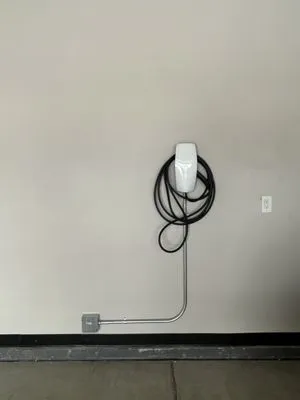
Federal Pacific panels are a known safety hazard due to a high failure rate of their breakers, which can lead to electrical fires. Upgrading any circuit, especially for a 40-50 amp EV charger, is not safe with this panel in place. Your 150-amp service may also be insufficient when adding a charger alongside a central air conditioner or heat pump. The required first step is a full panel replacement with a modern, UL-listed panel and a professional load calculation to determine if a service upgrade to 200 amps is necessary for your new loads.
My 2005-built home in The Meadows has its original wiring. Should I be concerned about its ability to handle today's appliances?
A home built in 2005 is now 21 years old, and its electrical system was designed for the technology of that era. While the NM-B Romex wiring is still code-compliant, the cumulative load from modern devices—multiple computers, large TVs, and kitchen gadgets—can push a 150-amp panel to its limit. Many homes in The Meadows experience nuisance breaker trips or warm outlets because the original circuit layout lacks the capacity for our current electrical demand. A load calculation performed by a master electrician is the definitive way to assess your system's health and safety.
My home has underground electrical service. What are the common issues I should watch for?
Underground service laterals, common in newer Castle Rock neighborhoods, are generally reliable but have unique concerns. The most critical issue is damage to the buried line from landscaping or soil settlement, which can cause a partial or complete loss of power. At the house, the point where the conduit enters the foundation must be properly sealed to prevent moisture intrusion into the panel. While overhead line hazards like falling branches are avoided, any repair to the underground lateral between the transformer and your meter is the responsibility of the utility provider.
