Top Emergency Electricians in Monterey, CA, 93940 | Compare & Call

Russ Galloway Electric
Switched Electric
G&G Electric and Mechanical
Point Break Electric

FAQs
With our cold, wet Monterey winters, should I be worried about power outages or surges damaging my furnace and fridge?
Winter storms can lead to localized outages, particularly during peak heating demand. While full-home generators are an option, a more immediate and cost-effective step is installing a whole-house surge protector at your main panel. This device shields all your major appliances and smart home systems from both external grid fluctuations and internal surges caused by your own HVAC system cycling on and off.
I want to upgrade my electrical panel. What permits do I need from the City of Monterey, and why can't I just do it myself?
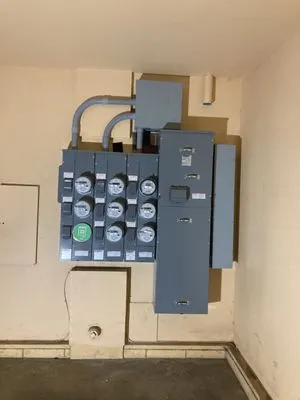
A panel replacement requires an electrical permit from the City of Monterey Building Safety Division, followed by inspections to ensure the work meets NEC 2023 code. In California, this work must be performed by a contractor licensed by the CSLB. Handling the main service entrance yourself is extremely dangerous and illegal; the permit process exists to verify the installation is safe for your family, your neighbors, and the utility workers who may service the line.
My lights in Monterey flicker sometimes, but we don't get lightning. Could it be a problem with PG&E or my own wiring?
Flickering often points to a local issue within your home's electrical system, like a loose connection at an outlet or within the panel. While PG&E maintains a reliable grid here with low lightning-related surge risk, occasional utility voltage fluctuations can occur. However, consistent flickering tied to using a specific appliance usually indicates an internal wiring problem that should be diagnosed to prevent damage to sensitive electronics.
There's a burning smell coming from my electrical panel and my power is out. How fast can an electrician get to my home in Oak Grove?
For an urgent safety issue like that, our dispatch prioritizes your call. From our starting point near Monterey State Historic Park, we're typically on Highway 1 and at your Oak Grove address within 8 to 12 minutes. Our first priority is to safely de-energize the affected circuit and assess the source of the smell, which is often an overheated breaker or a loose connection.
My Oak Grove house was built in 1977 and the lights dim when the microwave runs. Is the original wiring just too old for today's gadgets?
Your electrical system is nearly 50 years old. While the NM-B Romex wiring itself is safe if undisturbed, the design capacity from 1977 can't handle the simultaneous loads of modern kitchens and home offices. The 100-amp service, common for its time, wasn't planned for multiple high-draw appliances, computers, and chargers all running at once. This mismatch often causes voltage drops, which you see as dimming lights.
We live in the hilly coastal area near the historic park. Could the terrain be affecting our home's electrical grounding or power quality?
Coastal hilly terrain and rocky soil common in Monterey can challenge grounding system effectiveness. A proper ground requires low-resistance contact with earth, which rocky soil inhibits. This can lead to erratic behavior in AFCI/GFCI breakers and reduce protection against surges. Furthermore, heavy tree canopy in these neighborhoods can cause interference with overhead service drops during high winds, leading to momentary blinks or noise on the line.
My power comes from an overhead line on a mast. What are the pros and cons of this compared to the underground service my neighbor has?
Overhead service is more susceptible to weather and tree contact, but it is far more straightforward and less expensive to repair or upgrade. For your 1977-era home, upgrading from 100 to 200 amps would require replacing the masthead and the overhead service conductors, a standard procedure. Underground service, while more aesthetically pleasing and protected from above-ground elements, involves costly trenching and concrete work for any capacity increase.
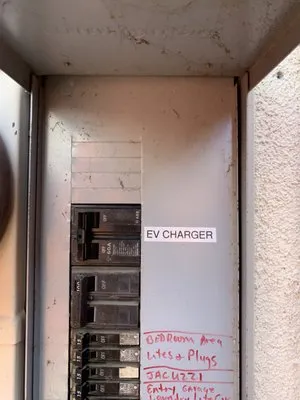
I heard Federal Pacific panels are dangerous. I have one and want to add an EV charger. What's the real risk and what do I need to do?
Federal Pacific Stab-Lok panels have a well-documented failure rate, where breakers may not trip during an overload, creating a serious fire hazard. Adding a Level 2 EV charger on this panel is not advisable; it demands a dedicated 40-60 amp circuit your 100-amp service likely can't spare. The essential first step is a full panel replacement to a modern, safe brand, followed by a service upgrade to 200 amps to handle the new charger and future home electrification safely.
