Top Emergency Electricians in Montclair, CA, 91762 | Compare & Call

New Quest Electric
Electrical Handyman Services

Electricore Signs

Solorio's Handyman Services

Q&A
I have a Federal Pacific panel with 100A service in my 1969 Montclair home. Can I safely install a Level 2 EV charger or heat pump?
No, you cannot safely add either with your current setup. Federal Pacific panels have known failure rates and are considered fire hazards—they should be replaced regardless of other upgrades. Your 100A service is already marginal for a 1969 home's modernized loads. Adding a Level 2 EV charger (typically 40-50A) or heat pump (30-50A) would exceed your panel's capacity and create dangerous overload conditions. You'll need both panel replacement and service upgrade to 200A minimum before considering these additions.
My Montclair Central home was built in 1969 and still has original NM-B Romex wiring. Why do my lights dim when I run the microwave and air conditioner together?
Your electrical system is 57 years old, which means it was designed for 1969 appliance loads. NM-B Romex from that era typically has smaller gauge conductors that struggle with modern 2026 demands like high-wattage microwaves, multiple refrigerators, and entertainment systems. The voltage drop you're experiencing indicates your wiring can't deliver sufficient power simultaneously to all your devices. This isn't just inconvenient—it can cause overheating at connections and potentially create fire hazards over time.
My lights flicker occasionally in Montclair. Is this a problem with Southern California Edison's grid or my home wiring?
Flickering lights usually indicate issues within your home's electrical system rather than SCE's grid. While Montclair has low lightning activity and generally stable utility power, your 57-year-old wiring and connections are the likely culprits. Loose connections at outlets, switches, or your panel can cause intermittent voltage drops that manifest as flickering. Modern smart home electronics are particularly sensitive to these fluctuations. Have an electrician check your connections and consider whole-house surge protection to safeguard your devices.
I see overhead lines on my street in Montclair. How does this overhead service affect my electrical maintenance needs?
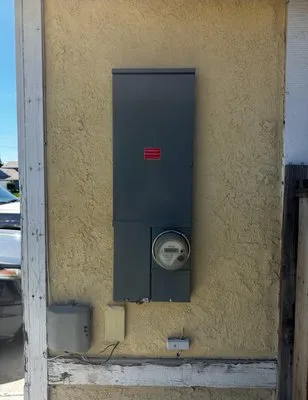
Overhead service with a mast means your power enters through weatherhead connections on your roof. These components require periodic inspection for weather damage, animal interference, and general wear. Unlike underground service, overhead lines are more exposed to environmental factors, though Montclair's mild climate minimizes extreme weather risks. Your meter is typically mounted on an exterior wall where it's accessible for SCE readings. Ensure tree branches are trimmed back from service drops, and consider installing a service entrance surge arrester where overhead lines meet your home.
What permits and codes apply to electrical work in Montclair, and who handles the paperwork?
All electrical work in Montclair requires permits from the Building and Safety Division and must comply with NEC 2023, which California has adopted. As a CSLB-licensed master electrician, I handle the entire permit process—filing applications, scheduling inspections, and ensuring code compliance. The NEC 2023 includes important updates for AFCI protection, EV charger circuits, and load calculations that directly affect Montclair homes. Don't risk unpermitted work; it creates safety hazards, voids insurance coverage, and causes problems during property transfers.
I smell something burning from my electrical panel in Montclair. How quickly can an electrician get here?
For burning smells, we treat it as an emergency and dispatch immediately from our Montclair Place location. Using I-10, we can typically reach most Montclair Central addresses within 7-12 minutes during normal traffic conditions. Don't wait with electrical burning smells—they indicate overheating that could lead to fire. If the smell is strong or you see smoke, evacuate and call 911 first, then contact us for immediate service.
How should I prepare my Montclair home's electrical system for summer brownouts and occasional winter ice storms?
Summer AC peaks strain Montclair's electrical infrastructure, making brownouts possible during heat waves. For winter, while temperatures rarely drop below 38°F, ice storms can still disrupt overhead lines. Install a transfer switch and generator inlet for essential circuits—this lets you safely power refrigerators, medical equipment, and some lighting during outages. Consider whole-house surge protection to guard against voltage spikes when power restores. Also ensure your panel and connections are in good condition, as aging systems are more vulnerable to climate-related stresses.
Does Montclair's flat urban basin terrain near Montclair Place affect my home's electrical system health?
The flat terrain actually benefits electrical systems by minimizing physical stress on overhead lines and reducing flood risks to underground components. However, in urban basins like Montclair Central, dense development can lead to shared utility infrastructure that experiences collective strain during peak demand. Your grounding system should perform well in the basin's soil conditions, but have an electrician verify your grounding electrodes are properly installed and maintained. Flat terrain also means fewer tree-related line issues compared to hilly areas.
