Top Emergency Electricians in Fort Bragg, CA, 95437 | Compare & Call

North Coast Refrigeration & Electric

Question Answers
What's involved in getting a permit for an electrical panel upgrade in Fort Bragg?
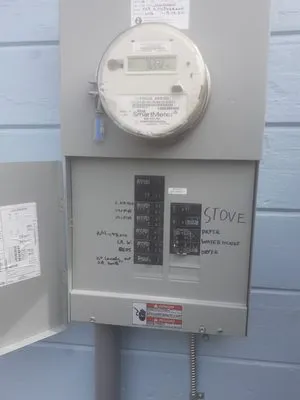
The Fort Bragg Building and Planning Department requires a permit for any panel replacement or service upgrade. The process involves submitting detailed plans that demonstrate compliance with the current 2023 National Electrical Code (NEC). As a CSLB-licensed electrician, I handle this paperwork, schedule the required inspections with the city, and coordinate the service interruption with PG&E. This ensures the work is documented, inspected for safety, and legally compliant, which is also crucial for home insurance and resale.
Our 1966 Downtown Fort Bragg home has original cloth wiring. Why do the lights dim when we use the microwave and air fryer at the same time?
Your 60-year-old cloth-jacketed copper wiring, while still functional, was never designed for the simultaneous load of modern 2026 appliances. This system operates at a lower capacity than today's standards, and the insulation can become brittle over time, increasing resistance on the circuit. This increased resistance causes voltage drop, which manifests as dimming lights. Upgrading key circuits and the main service panel addresses this by providing dedicated, high-capacity pathways for your kitchen and other high-demand areas.
We have overhead power lines coming to our house. What maintenance should I be aware of?
Overhead service, common in Fort Bragg, requires you to monitor the condition of the mast (the pipe on your roof) and the service drop cables from PG&E to your house. Look for rust, sagging cables, or any vegetation like tree branches within 10 feet of the lines. The mast and weatherhead are your responsibility to maintain. Any damage here can let moisture into your main panel, causing corrosion and short circuits. Keep the path from the pole to your house clear.
I smell burning plastic from an outlet in my Downtown home. How fast can an electrician get here?
Treat any burning smell as an urgent fire risk and turn off power to that circuit at the panel if it's safe to do so. From a dispatch point near Glass Beach, we can typically be en route via Highway 1 for a 5 to 8 minute response to most Downtown locations. This immediate response is critical to locate the overheating connection, which is often a loose wire terminal, before it causes an electrical fire.
We live on a coastal bluff near Glass Beach. Could the soil or salt air affect our home's electrical grounding?
Absolutely. The rocky, often less conductive soil on bluffs can challenge the effectiveness of your grounding electrode system, which is critical for safety. Additionally, the salt-laden air accelerates corrosion on outdoor connections, meter bases, and mast heads. An annual inspection should include testing ground resistance and checking for corrosion at all service entrance points to ensure your home has a low-impedance path to earth, which is essential for proper breaker operation and lightning protection.
My home inspector flagged a Federal Pacific panel with 100-amp service. Can I add a Level 2 EV charger or a heat pump?
You face two significant constraints. First, Federal Pacific panels are a known fire hazard due to breakers that can fail to trip during an overload. Second, a 100-amp service from 1966 is typically maxed out by existing loads. Adding a Level 2 charger (40-50 amps) or a heat pump (20-30+ amps) would require a full service upgrade to 200 amps and the mandatory replacement of that dangerous panel. This creates the modern capacity and safety foundation for both upgrades.
How should I prepare my home's electrical system for a winter ice storm or a brownout on the coast?
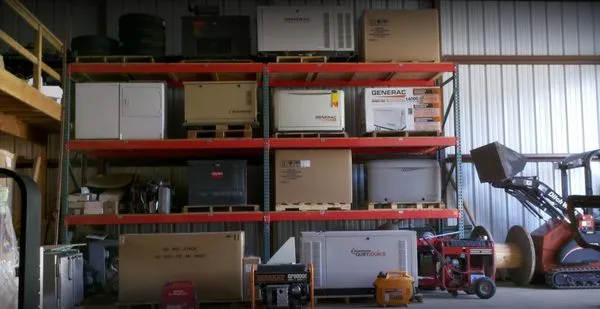
Winter heating surges and storm-related brownouts are a real concern here. Begin by having an electrician verify your heating system's circuit and connections are secure. For backup, a permanently installed standby generator with an automatic transfer switch is the most reliable solution, as it safely powers essential circuits without back-feeding dangerous power onto PG&E's lines. Portable generators require extreme caution and should only be used with heavy-duty outdoor-rated extension cords, never by connecting directly to the home's wiring.
Our PG&E power seems to flicker during winter storms in Fort Bragg. Is this damaging my computers and TV?
While our coastal climate has a low lightning surge risk, flickering is usually caused by tree contact or failing infrastructure on overhead lines during high winds and rain. These brief interruptions and voltage sags can stress power supplies in sensitive electronics over time. Installing a whole-house surge protective device at your main panel, combined with point-of-use protectors for critical items, provides layered defense against these common grid disturbances.
