Top Emergency Electricians in East Palo Alto, CA, 94303 | Compare & Call

Premier Solutions Company
JC Electric Co

Question Answers
How can we prepare our East Palo Alto home's electrical system for summer brownouts and winter storm outages?
Start with a load calculation to ensure your panel isn't already overloaded, a common issue during summer AC peaks. For brownouts, a whole-house surge protector installed at the panel safeguards electronics from damaging voltage fluctuations. For extended outages, a properly permitted generator interlock kit allows you to safely back up essential circuits. Given our mild winter lows, frozen pipes are less a concern than wind damage to overhead service lines, which a transfer switch can help manage.
Our inspector flagged a Federal Pacific panel. Can we still add a Level 2 EV charger or a heat pump to this 100-amp system?
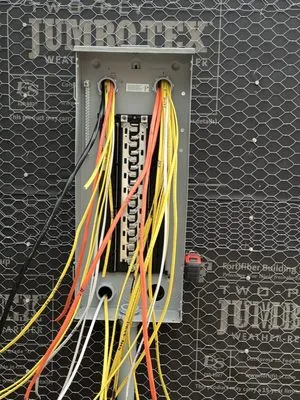
No, you cannot safely add those loads to this existing setup. A Federal Pacific panel is a known fire hazard due to breakers that fail to trip. Even if it weren't, the 100-amp service from 1965 lacks the capacity for a 40-50 amp EV charger or a 30-amp heat pump circuit. The upgrade process starts with replacing the hazardous panel with a modern 200-amp service, which includes new meter equipment, grounding, and AFCI breakers as required by current code.
We lost all power and smell something burning. How fast can a Master Electrician get to our house near Jack Farrell Park?
For a burning smell with no power, treat it as an emergency and call us immediately. From our dispatch near Jack Farrell Park, we can typically be on-site within 8 to 12 minutes via US-101. Our first action is to safely disconnect power at the meter if the panel is compromised. We then perform a thermal scan of the panel and branch circuits to locate the overheated connection, which is often a failing breaker or loose terminal on an old Federal Pacific panel.
Our lights dim when the AC kicks on. Is this normal for a home built in the 1960s in University Village?
For a 61-year-old system, it's a common but serious warning. Your home's original cloth-jacketed copper wiring was designed for a few lights and a refrigerator, not the cumulative load of a 2026 household. The insulation becomes brittle over decades, increasing fire risk, and the 100A panel service common in 1965 is now below modern standards. This under-capacity causes voltage drop, manifesting as dimming lights, which stresses motors in your AC and other appliances.
We're on the flat coastal plain near the bay. Does that affect our home's electrical grounding or reliability?
The flat, often moist soil of our coastal plain is generally excellent for grounding, as it maintains good conductivity for your grounding electrode system. However, this same environment can accelerate corrosion on older, exposed grounding rods and connections. A more common issue for reliability is the dense tree canopy in neighborhoods like University Village; branches contacting overhead service lines during wind storms are a frequent cause of localized outages and can damage your masthead.
We have overhead power lines coming to the house. What should we watch for with this type of service?
Overhead service, or a mast, requires periodic visual inspection. Look for any sagging or frayed lines between the utility pole and your roof masthead. Ensure tree limbs are trimmed well clear of the lines. The mast itself must be securely anchored; a loose mast can strain connections and allow water ingress into the service entrance conduit. During any roof work, contractors must avoid damaging this mast, as it carries the full utility service into your home.
Our smart devices keep resetting and lights flicker. Is this a problem with PG&E or our home's wiring?
It's likely a combination. While PG&E maintains a relatively stable grid here with low lightning surge risk, momentary dips or 'brownouts' are common, especially on older overhead lines. Your home's 1965-era wiring and lack of whole-house surge protection magnify these minor grid events. Flickering lights often point to a loose neutral connection at the utility's service point or within your panel, which is dangerous and requires immediate diagnosis by a licensed electrician.
What permits and codes are involved in replacing our old electrical panel in East Palo Alto?
Panel replacement always requires a permit from the East Palo Alto Planning and Building Division and must comply with the 2023 California Electrical Code, based on NEC 2023. The inspection ensures new service equipment, grounding, and AFCI protection meet current safety standards. As a C-10 licensed contractor, we handle the permit filing, coordinate the PG&E meter swap, and schedule the city inspection. This process protects you by ensuring the installation is documented and approved for insurance and future home sales.
