Top Emergency Electricians in Payson, AZ, 85541 | Compare & Call

Q&A
I see the overhead power lines coming to my house on a mast. What maintenance should I be aware of?
Overhead service masts, common in Payson, require you to keep the pathway from the utility pole to your mast head clear of tree branches, especially pines. APS is responsible for the lines up to the connection point on your mast, but the mast, weatherhead, and conduit down to your meter are homeowner-owned. Inspect these components annually for rust, damage, or sagging. Heavy snow or ice accumulation can strain the mast. Never attempt any work near these service entrance conductors; always contact a licensed electrician for mast or meter base issues, as this is high-voltage work.
The power just went out and I smell something burning near an outlet. Who can get here fast from Green Valley Park?
Immediately turn off the main breaker at your panel and call for emergency service. A burning smell indicates an active fault that poses a fire risk. From our dispatch near Green Valley Park, we can typically be at your Green Valley home within 5-8 minutes via AZ-87. Do not attempt to reset any breakers or use the affected circuit. Our priority is to safely isolate the fault, assess the damage to wiring or devices, and make a temporary repair to restore safety before planning any permanent corrections.
What permits are needed from the Town of Payson to upgrade my electrical panel, and why does it matter?
Any panel replacement or service upgrade requires an electrical permit from Payson Development Services. The permit ensures the work is reviewed for compliance with the current NEC 2023 code, which mandates safety devices like AFCI breakers for living areas. After inspection, you receive a certificate that becomes part of your home's official record, which is crucial for insurance and resale. As a Master Electrician licensed by the Arizona Registrar of Contractors, I handle the entire permit process—pulling the permit, scheduling the rough and final inspections, and providing you with the documentation. This protects your investment and ensures the system's safety.
I have a 150-amp panel and want to add a Level 2 EV charger. My home was built in 1991—is this possible?
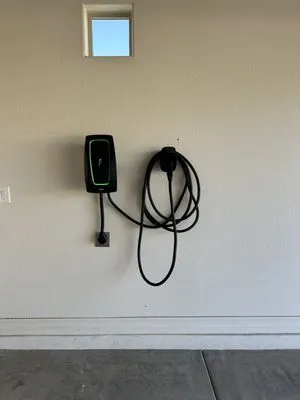
It is possible, but requires a professional load calculation. A 1991-era 150-amp service may already be near capacity, especially with central air conditioning running during Payson summers. We must first verify your panel's manufacturer; many homes from that period have recalled Federal Pacific panels, which must be replaced for safety before adding any new load. If the panel is sound, a dedicated 40- or 50-amp circuit for the charger can often be accommodated, but upgrading to a 200-amp service provides the necessary headroom for future heat pumps or other major loads.
My home in Green Valley was built around 1991. Is the original wiring still safe for all my modern gadgets?
Your home's electrical system is now 35 years old. While the NM-B Romex wiring installed then is still a recognized type, its capacity was designed for a different era of power consumption. Modern appliances, home offices, and entertainment systems place a much higher cumulative load on circuits. We often find that homes from this period lack sufficient dedicated circuits for kitchens and laundry rooms, which can lead to overloaded breakers. An evaluation can confirm if your panel and branch circuits meet today's National Electrical Code standards for safety and convenience.
How can I prepare my Payson home's electrical system for summer brownouts and winter ice storms?
Start with a maintenance inspection to ensure all connections at the panel and meter are tight, as thermal cycling from extreme temperatures can loosen them over time. For summer brownouts, consider installing a generator interlock kit with a properly sized portable generator to back up essential circuits. In winter, ensure outdoor receptacles and service mast heads are clear of ice dam potential. A transfer switch installed by a licensed electrician is the only safe way to connect a generator. These steps, combined with the surge protection mentioned for the power question, create a resilient system for our climate.
My lights in Payson flicker whenever the AC kicks on. Is this an APS grid problem or something in my house?
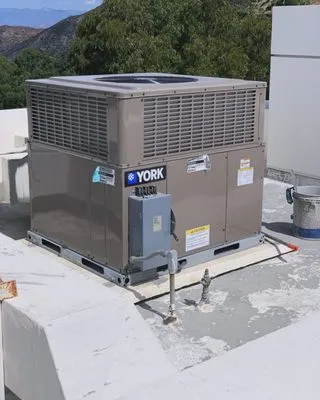
Flickering lights, especially under load from your AC, typically point to a voltage drop within your home's electrical system. This can be caused by loose connections at the service entrance, in the main panel, or at the breaker for the AC unit itself. While the APS grid in our area can experience fluctuations, particularly during summer peaks, consistent flickering is usually a localized issue. Given the high lightning surge risk in the Rim Country, we also recommend whole-house surge protection at the panel to safeguard sensitive electronics from both internal and external voltage spikes.
Could the rocky, hilly terrain near Green Valley Park affect my home's electrical grounding?
Yes, rocky soil presents a significant challenge for achieving a low-resistance grounding electrode system. The National Electrical Code requires grounding electrodes to make effective contact with the earth, which can be difficult in our area's shallow, rocky substrate. We often need to drive multiple grounding rods or use alternative methods like a concrete-encased electrode (Ufer ground) if your foundation qualifies. Poor grounding can lead to erratic breaker operation, damage to appliances, and increased surge vulnerability. This is a common issue we address for homes built on hillsides in the pine forest.
