Top Emergency Electricians in Flowing Wells, AZ, 85704 | Compare & Call
There are 227 electrician companies server in Flowing Wells AZ
Palo Verde Electric is a trusted, locally-owned electrical contractor serving Tucson, AZ, and surrounding communities. We specialize in helping homeowners address the unique electrical challenges caus...
N1 Electric is a Tucson-based electrical contractor founded by Raul Ibarra, bringing over 15 years of specialized experience to Southern Arizona. With a proven track record of completing over 10,000 m...
For over 17 years, our licensed master electrician has been the trusted source for residential electrical service in Tucson and Oro Valley. We bring a practical, problem-solving approach to every job,...
P & R Electric is a licensed electrical company serving Tucson, AZ, founded in 2017 by Patrick Robinson and Richard Peru. With over 70 years of combined experience, they specialize in both residential...

Hawkins Electric is a trusted, local electrical contractor serving homeowners across Tucson, AZ. We specialize in the precise electrical inspections needed to identify and prevent the common, serious ...
With roots in electrical work dating back to 1986, Bill Richards Electric brings nearly four decades of hands-on expertise to every job in Tucson. I took ownership of this family-run business in 2013,...
Pathway Electric is a trusted local electrical service provider in Tucson, Arizona, specializing in residential and commercial electrical solutions. We understand the unique challenges Tucson homeowne...
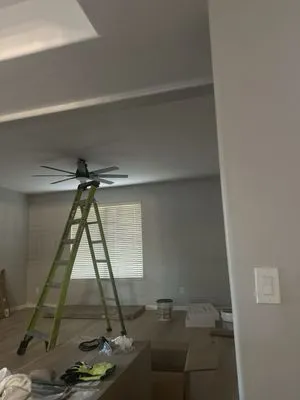
Franco's Electric is a trusted local electrical contractor serving Tucson homeowners with reliable solutions for common electrical challenges. We specialize in addressing issues like improper groundin...
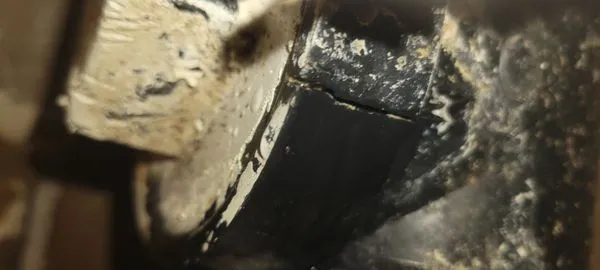
Above Handy Services is your locally owned, Tucson-based handyman team, ready to tackle home repair and improvement projects. We specialize in a wide range of services including appliance installation...
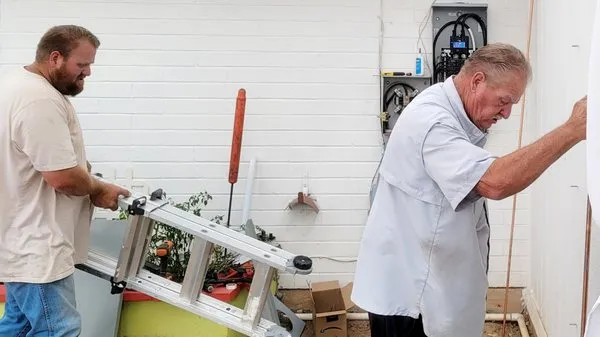
Affordable Electric
Affordable Electric, Inc. is a fully licensed and bonded Tucson electrical contractor dedicated to providing reliable, professional service for homes and businesses across Southern Arizona. Our team h...
Estimated Electrical Service Costs in Flowing Wells, AZ
Frequently Asked Questions
My power comes from an overhead line on a mast. What should I watch for with that type of service?
Overhead service masts are common in Flowing Wells. Inspect the mast head and conduit for corrosion or physical damage, especially after monsoon storms. Ensure the drip loop on the service drop cable is intact to prevent water from following the line into your meter socket. Any sagging service wires or a leaning mast require immediate attention from your utility, Tucson Electric Power, as they own the lines up to the weatherhead.
Does the dry, rocky soil in our desert basin near the park affect my home's electrical grounding?
Yes, arid desert soil has very high resistance, which can impair the effectiveness of your grounding electrode system. The NEC requires supplemental grounding, like a ground rod, but in rocky soil, a single rod may not achieve a low-enough resistance reading. We often install a second rod or use a chemical ground enhancement to create a reliable path to earth, which is critical for surge protection and equipment safety.
My power is out and I smell something burning near my panel. How fast can an electrician get here?
A burning smell indicates an urgent fire hazard. For a Flowing Wells address near Flowing Wells Park, our dispatch prioritizes this as an emergency. We can typically have a master electrician on-site within 5-10 minutes via I-10. The first step is to safely disconnect power at the main breaker to mitigate immediate risk before our arrival.
What permits and inspections are needed for an electrical panel upgrade in Flowing Wells, and who handles that?
A service upgrade requires a permit from Pima County Development Services and a final inspection to close the permit. As a master electrician licensed by the Arizona Registrar of Contractors, I pull the permits, schedule all inspections, and ensure the installation meets the 2023 NEC. This process legally documents the work for future home sales and guarantees it's performed to the current safety standard.
My Flowing Wells home was built around 1980. Why do my lights dim when I use the microwave and air conditioner together?
Your home's electrical system is now about 46 years old. Original 100-amp panels and NM-B Romex wiring from that era were not designed for today's simultaneous appliance loads. Modern kitchens and home offices demand more dedicated circuits and higher amperage. Upgrading to a 200-amp service is a common and necessary step to safely power a 2026 household.
My smart TV and computer keep resetting during Tucson Electric Power storms. Is this a grid problem or my house wiring?
Tucson's high lightning activity creates powerful grid surges that basic panel surge protectors can't stop. While your 1980s wiring may have grounding issues, the primary threat is external. We recommend installing a Type 1 or Type 2 whole-house surge protector at your service entrance. This device, required by the 2023 NEC for certain installations, diverts massive surge energy away from your sensitive electronics before it enters your home.
How can I prepare my Flowing Wells home's electrical system for summer brownouts and the occasional winter freeze?
For summer AC peaks, ensure your panel connections are torqued to specification to prevent overheating at the bus bars. A whole-house surge protector guards against voltage fluctuations during brownouts. For winter preparedness, a hardwired generator interlock kit provides safe backup power for furnaces and refrigerators during an ice storm outage, avoiding the dangers of extension cords and portable generators connected improperly.
I heard Federal Pacific panels are dangerous. Can my 100-amp panel from 1980 handle adding a Level 2 EV charger or a heat pump?
Federal Pacific panels are a known fire hazard due to faulty breakers that fail to trip. Beyond that brand-specific risk, a 100-amp panel from 1980 lacks the capacity for a Level 2 charger (requiring a 50-amp circuit) or a new heat pump without a full service upgrade. Installing high-demand equipment on an old, undersized panel creates overload conditions and violates current NEC safety codes.
