Top Emergency Electricians in Chino Valley, AZ, 86314 | Compare & Call

Elan Electric


Luke’s Electrical Service
Luke's Electrical Services

Q&A
Our Chino Valley Central home was built in 1998 and still has the original NM-B Romex wiring. Why do our lights dim when we run the microwave and the air conditioner at the same time?
Your electrical system is now 28 years old. The NM-B wiring from that era is safe, but it was installed for the appliance loads of the 1990s. Modern kitchens and entertainment centers demand far more power, causing voltage drop on those original circuits. Upgrading specific branch circuits or adding a subpanel can resolve this by distributing the 2026-level demand more effectively.
We just lost all power and there's a burning smell near the panel. How fast can a Master Electrician get to our house off AZ-89?
For a burning smell, shut off the main breaker immediately. From a central dispatch point like Memory Park, we can typically be on-site in Chino Valley Central within 5-8 minutes via AZ-89. That rapid response is critical for diagnosing a potential arc fault or failing breaker before it escalates into an electrical fire.
Our lights flicker and our smart devices reboot whenever APS has grid issues. Is this just normal for Arizona?
Flickering often points to a loose connection in your home's wiring or at the service entrance. However, Arizona Public Service's grid in our high-lightning area does experience transient surges that can overwhelm basic protection. A whole-house surge protector installed at the main panel is a standard defense, safeguarding your electronics from both utility fluctuations and lightning-induced spikes.
What permits and codes are involved if I need to upgrade my electrical panel in Chino Valley?
All panel replacements require a permit from the Chino Valley Development Services Department and must comply with the 2023 NEC. The work must be performed by a contractor licensed by the Arizona Registrar of Contractors. As a Master Electrician, I handle the permit application, schedule the required inspections with APS for the meter disconnect/reconnect, and ensure the final installation meets all current safety standards for grounding, AFCI protection, and working clearances.
How should I prepare my home's electrical system for both winter ice storms and summer brownouts?
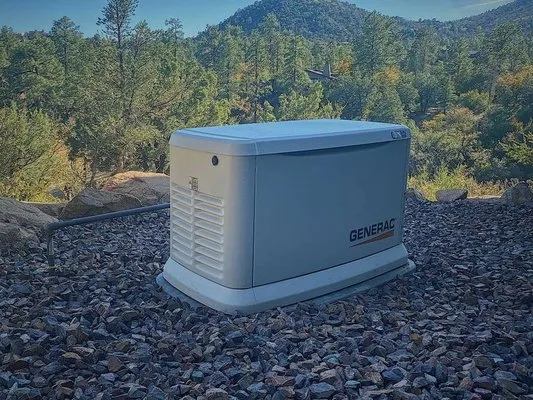
For winter, ensure your heating system's circuit is dedicated and protected by an AFCI breaker to prevent arc faults from strain. Summer readiness involves verifying your AC condenser's disconnect and wiring are in good condition for peak demand. For both seasons, consider a professionally installed generator with an automatic transfer switch to maintain essential circuits during prolonged outages, which are common on the high desert plateau.
We have a 150-amp Challenger panel from 1998. Is it safe to add a Level 2 EV charger or a new heat pump?
A 150-amp service can technically support those loads with a proper load calculation, but the Challenger panel itself is the primary concern. Many Challenger models have known safety defects and recalls. Installing a high-demand device on a potentially faulty panel is a significant fire risk. The panel must be evaluated and likely replaced with a modern, UL-listed unit before any major upgrade proceeds.
We live on the high desert plateau near Memory Park. Could the rocky soil be affecting our home's electrical grounding?
Absolutely. Rocky, dry soil has high electrical resistance, which can compromise the effectiveness of your grounding electrode system. A poor ground fails to safely dissipate fault currents and surge energy. We often need to install additional ground rods or use specialized grounding techniques to achieve the low-resistance path required by the NEC, ensuring your safety equipment functions correctly.
We have overhead power lines coming to a mast on our roof. What are the common issues with this setup in Chino Valley?
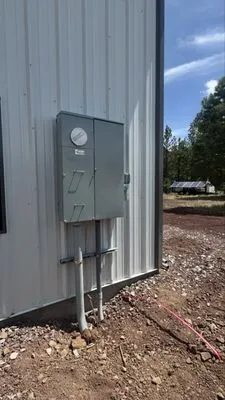
Overhead service masts are common here. The main issues are weather exposure and physical strain. High winds can damage the mast or service drop, and the extreme temperature swings can degrade weatherheads and conduit seals. We inspect the mast's structural integrity, the condition of the service entrance cables, and the point where they enter the meter base to prevent moisture ingress and connection failure.
