Top Emergency Electricians in Lincoln, AL, 35096 | Compare & Call


Frequently Asked Questions
What should I know about overhead service lines with a mast on my Lincoln home compared to underground options?
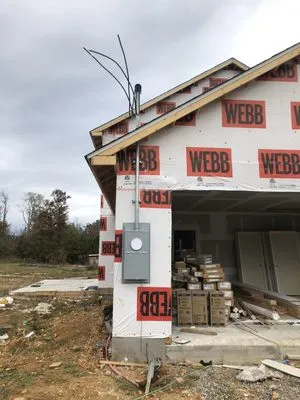
Overhead service with a mast is common in Lincoln and requires periodic inspection for weather damage or tree encroachment. The mast must meet NEC height and clearance rules to prevent sagging or contact issues. Underground service, while less prone to storm damage, involves trenching and may have higher repair costs if faults occur. Either way, ensuring your meter base and mast are securely anchored and properly rated for your amperage needs is key to safe operation.
We live in rolling hills near dense forest by Talladega Superspeedway. Could this affect our home's electrical reliability?
Yes, Lincoln's terrain directly impacts electrical health. Dense forest canopy can cause tree limbs to interfere with overhead service lines during winds, leading to outages or flickering. Rocky, hilly soil may challenge grounding electrode installation, requiring deeper rods or multiple points for proper earth contact. An electrician can assess your grounding system and recommend line clearing or grounding enhancements to improve reliability in this environment.
How can I prepare my Lincoln home's electrical system for winter ice storms or summer brownouts when everyone runs AC?
For winter ice storms, ensure your heating system's electrical components are serviced and consider a hardwired generator with transfer switch for backup power. Summer brownouts from AC overload can be mitigated by having an electrician balance circuits and possibly upgrade service capacity. Surge protection is crucial year-round, as both seasons bring power quality issues. Regular panel inspections help identify weak points before extreme weather hits.
Do I need a permit from the Lincoln Building Inspection Department to replace my electrical panel, and what codes apply?
Yes, panel replacements always require a permit from Lincoln Building Inspection Department, as they involve critical safety components. Work must comply with NEC 2020, which Alabama has adopted, covering updates like AFCI protection for certain circuits. Hiring an electrician licensed by the Alabama Electrical Contractors Board ensures code compliance and proper documentation. They'll handle the permit process, inspections, and labeling so your system meets current legal standards.
I found a Federal Pacific panel in my 1995 home with 150A service. Can this safely handle adding a Level 2 EV charger or new heat pump?
Federal Pacific panels have known safety issues with breakers failing to trip during overloads, creating fire risks. Even with 150A capacity, the panel itself is a liability. Before adding EV charging or heat pumps, the panel must be replaced with a modern UL-listed unit. A load calculation will determine if 150A suffices for your expanded needs—many Lincoln homes with electric vehicles and heat pumps benefit from 200A service upgrades for future-proofing.
Why do my lights flicker during storms, and should I worry about Alabama Power surges damaging my smart home gadgets?
Flickering during storms often stems from grid fluctuations or tree contact with overhead lines, common in Lincoln's high-lightning area. Alabama Power's infrastructure can experience voltage spikes from lightning strikes, which pose real risks to sensitive electronics like smart thermostats or computers. Installing whole-house surge protection at your main panel provides a first line of defense, supplemented by point-of-use protectors for valuable devices. This layered approach is recommended given local surge risks.
I'm smelling something burning from an outlet near Talladega Superspeedway. How fast can an electrician get here in an emergency?
For urgent electrical hazards like burning smells, most licensed electricians in Lincoln prioritize emergency calls. From the Superspeedway area, taking I-20 provides quick access to local neighborhoods, with typical response times around 8-12 minutes during business hours. Immediate steps include shutting off power at the breaker for that circuit and avoiding use of the outlet. This prevents potential fire spread while waiting for professional assessment.
My Lincoln Historic District home was built around 1995 and still has original NM-B Romex wiring. Why do my lights dim when I run the microwave and air conditioner together in 2026?
Your electrical system is now about 31 years old, and NM-B Romex from that era wasn't designed for today's high-demand appliances. Modern kitchens often have multiple high-wattage devices like air fryers or induction cooktops that draw more current than 1990s wiring anticipated. This can cause voltage drops, leading to dimming lights or tripped breakers. Upgrading to heavier-gauge circuits or adding dedicated lines for major appliances typically resolves these issues while maintaining safety.
